Skip to content

Elisabeth Adams

  • About
  • Blog
  • Reading
  • Writing
  • Editing
  • Contact
    • Instagram
  • here

    Believing the Bible is one thing. Finding yourself on-set of its history is quite another, and it can be a befuddling experience.

    There’s a lot to interpret and understand, because history has left behind a whole layer cake of evidence. It helps to study. And it helps to stop studying and simply experience the places, using your newly-educated imagination to see down through the layers to the years when Bible tales were playing out in real time.

    There’s a lot to distract your eyes. If history left a layer cake, then culture has frosted the sites heavily with tradition. Sometimes you have to see through the churches (and ruined churches) capping nearly every Bible site, undistracted by the culture shock they give.
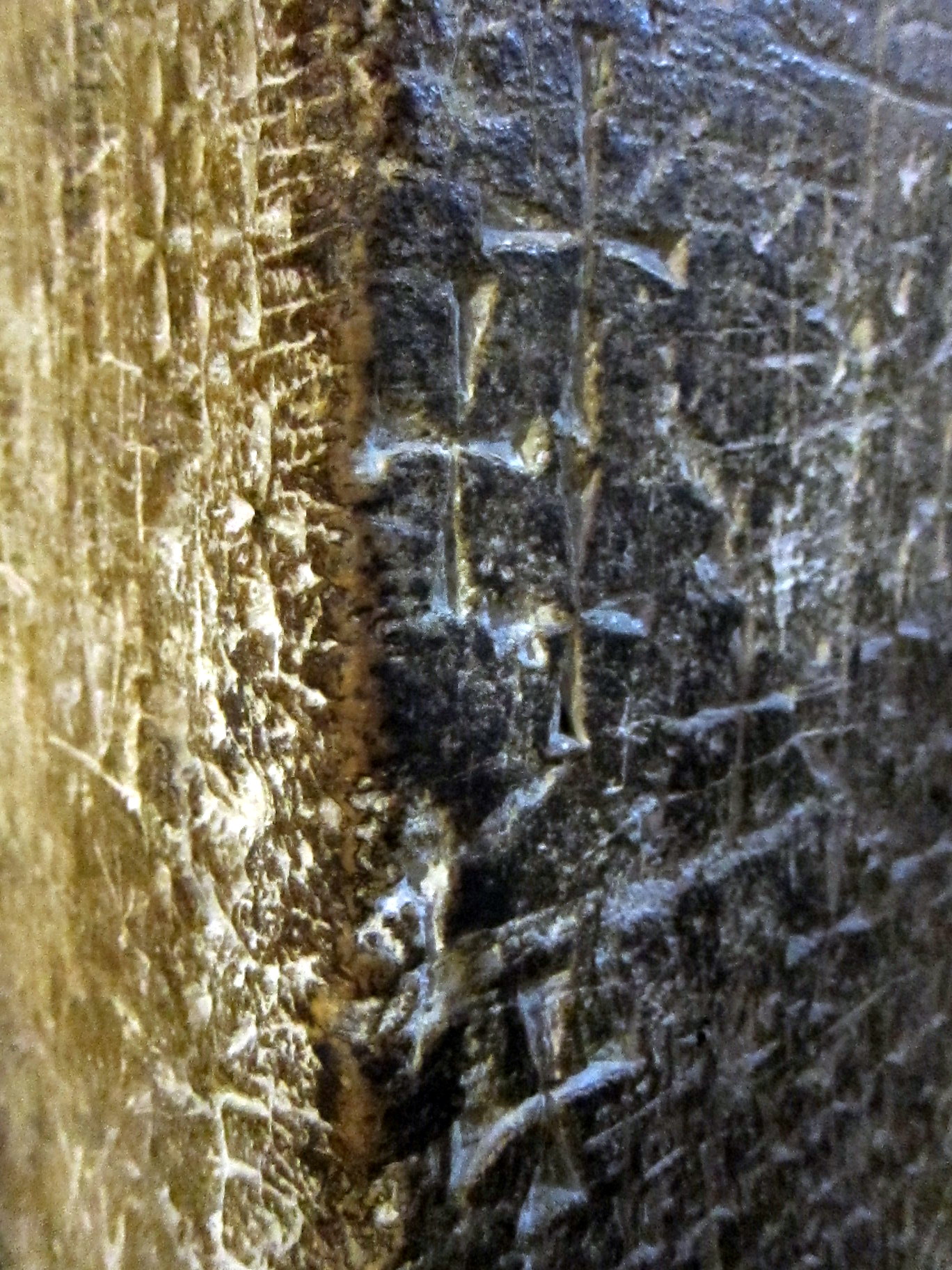
    There’s a lot to ponder. Visiting Bible places helps me understand why pilgrimage, why liturgy, why kissing of icons and buying a bit of holy earth to take home. Confronting the intersection of sacred and physical, I don’t know what to do.

    Read, pray, speak, photograph?

    Build, leave initials or gather stones?

    Laugh? Dance? Sing?

    When the LORD brought back those that returned to Zion, we were like those who dream.
    Then our mouth was filled with laughter, and our tongue with shouts of joy.

    Perhaps the most challenging site of all is the site of Jesus’ death, burial, and resurrection.

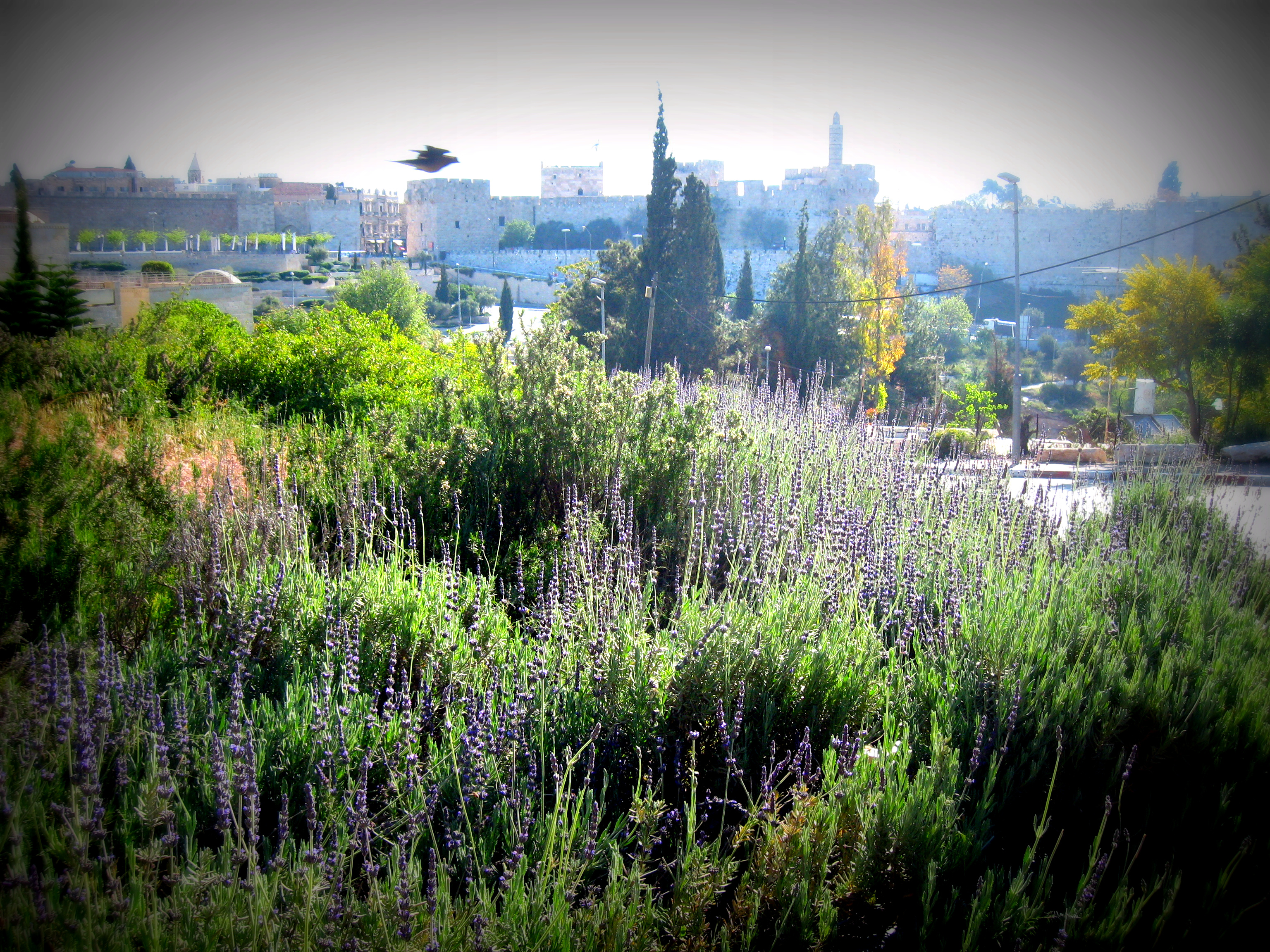
    You see, there are two candidates for this spot. One is hid in a green and quiet oasis near the Old City: It’s much easier to worship at the Garden Tomb. But it is an Old Testament style grave, hard to reconcile with the “new tomb” of the gospels.

    The other was an abandoned quarry which attracted the attention of early believers until AD 66, just before the destruction of the Temple. It was covered by a massive pagan shrine during the rule of Rome, then lovingly unearthed by Byzantine Christians, who built here a church called Anastasis – Resurrection. Delighted to be worshiping their risen Lord in a place so long inaccessible, they concluded that His return must be near – and the church’s other name was the New Jerusalem.
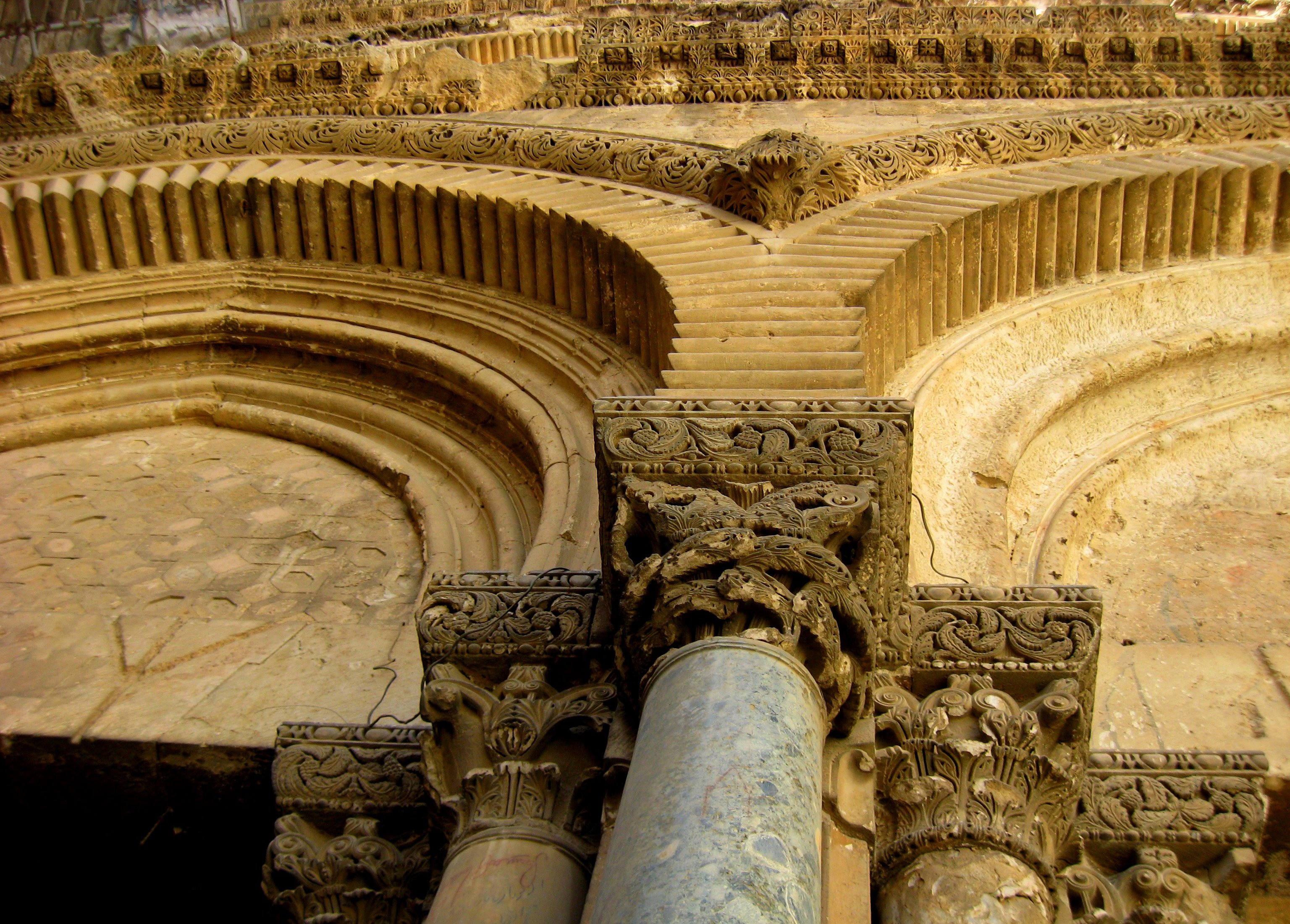
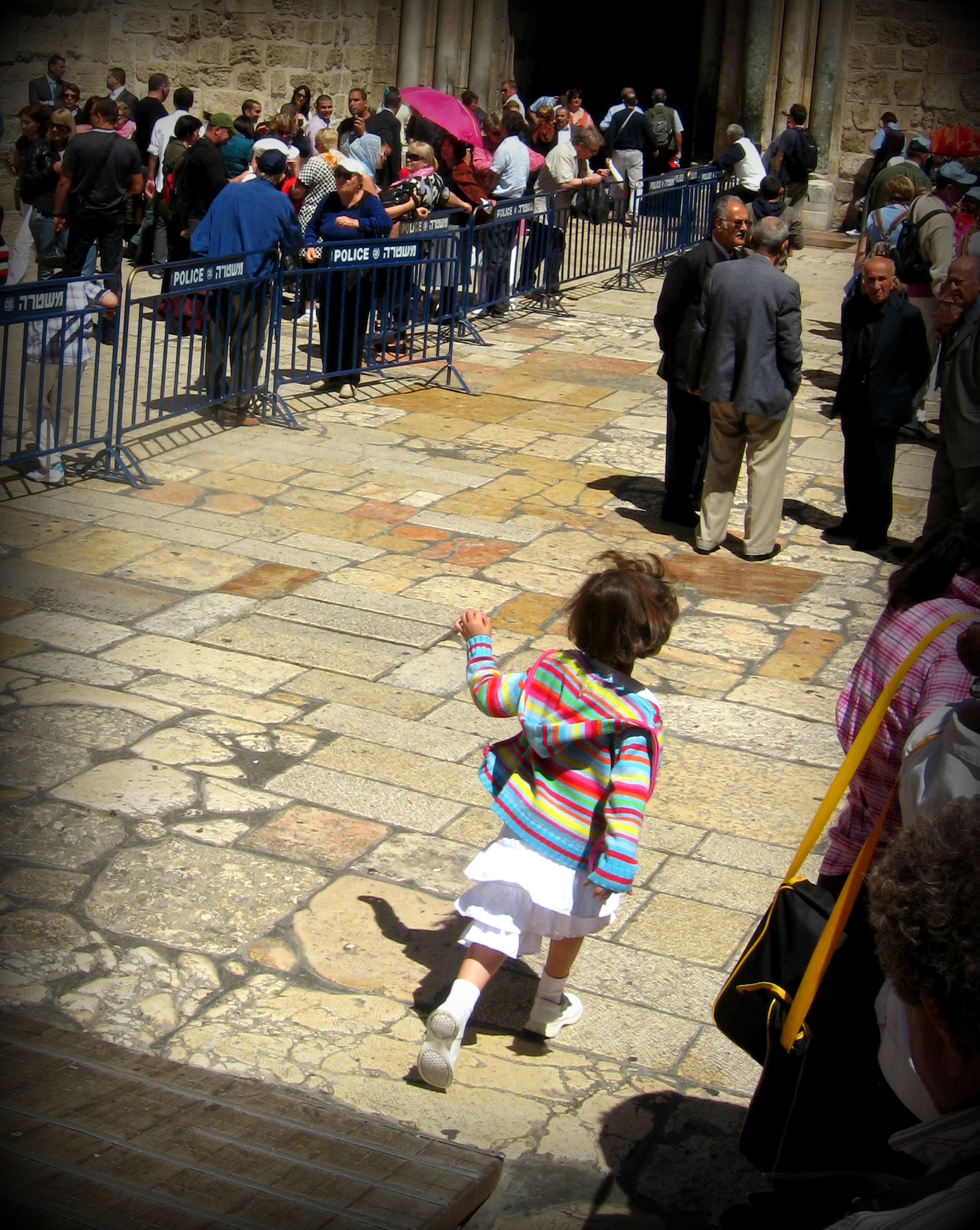
    Fires, earthquakes, and centuries under oppressive rule have left their mark on the building now known as the Church of the Holy Sepulcher. It’s dingy, patchworked, and over-decorated, full of unfamiliar customs and the overpowering smell of incense. But to many pilgrims it’s a lovely ruin, a beloved disaster, this church that itself needs resurrection. Perhaps they see it with the eyes of their hearts.

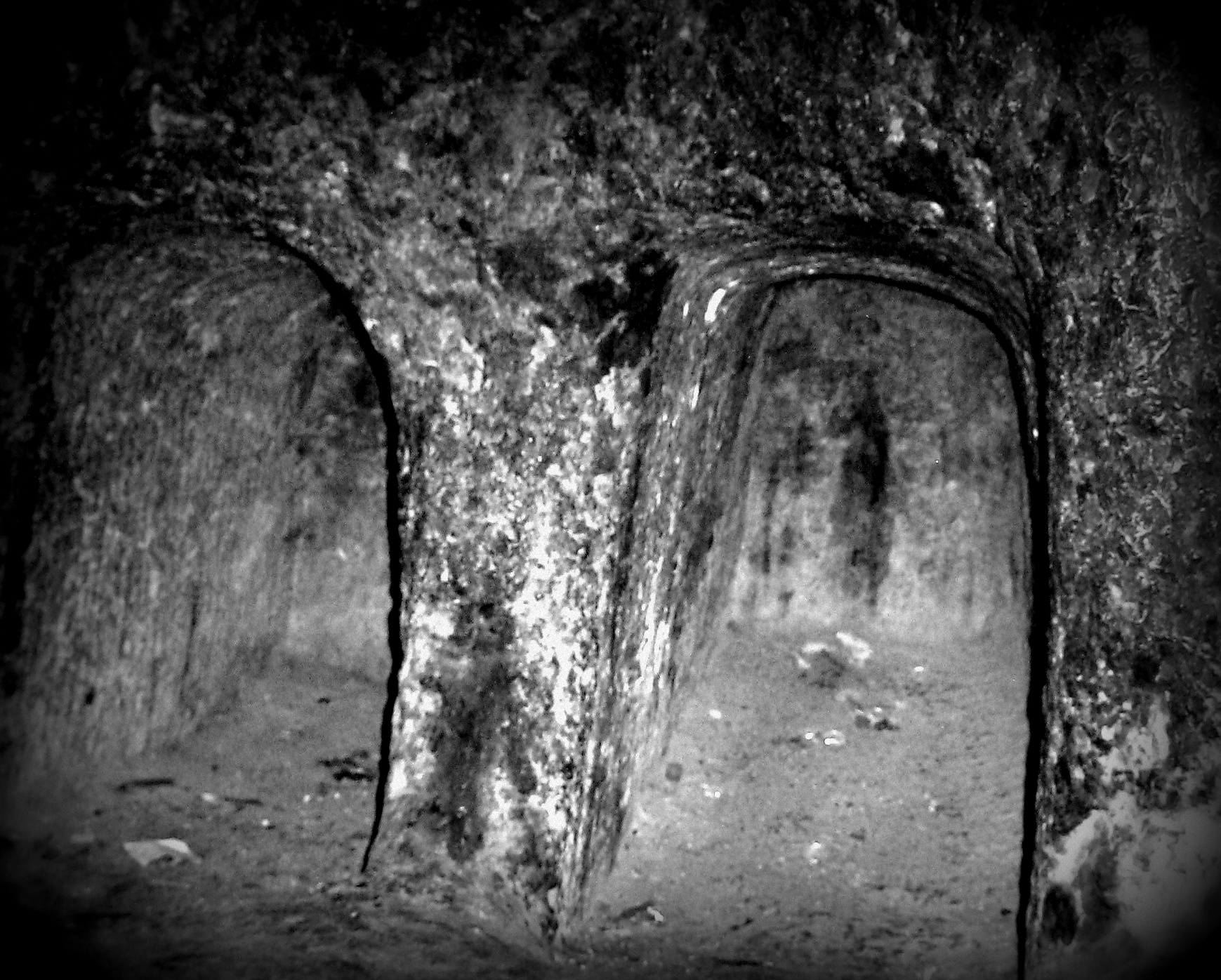
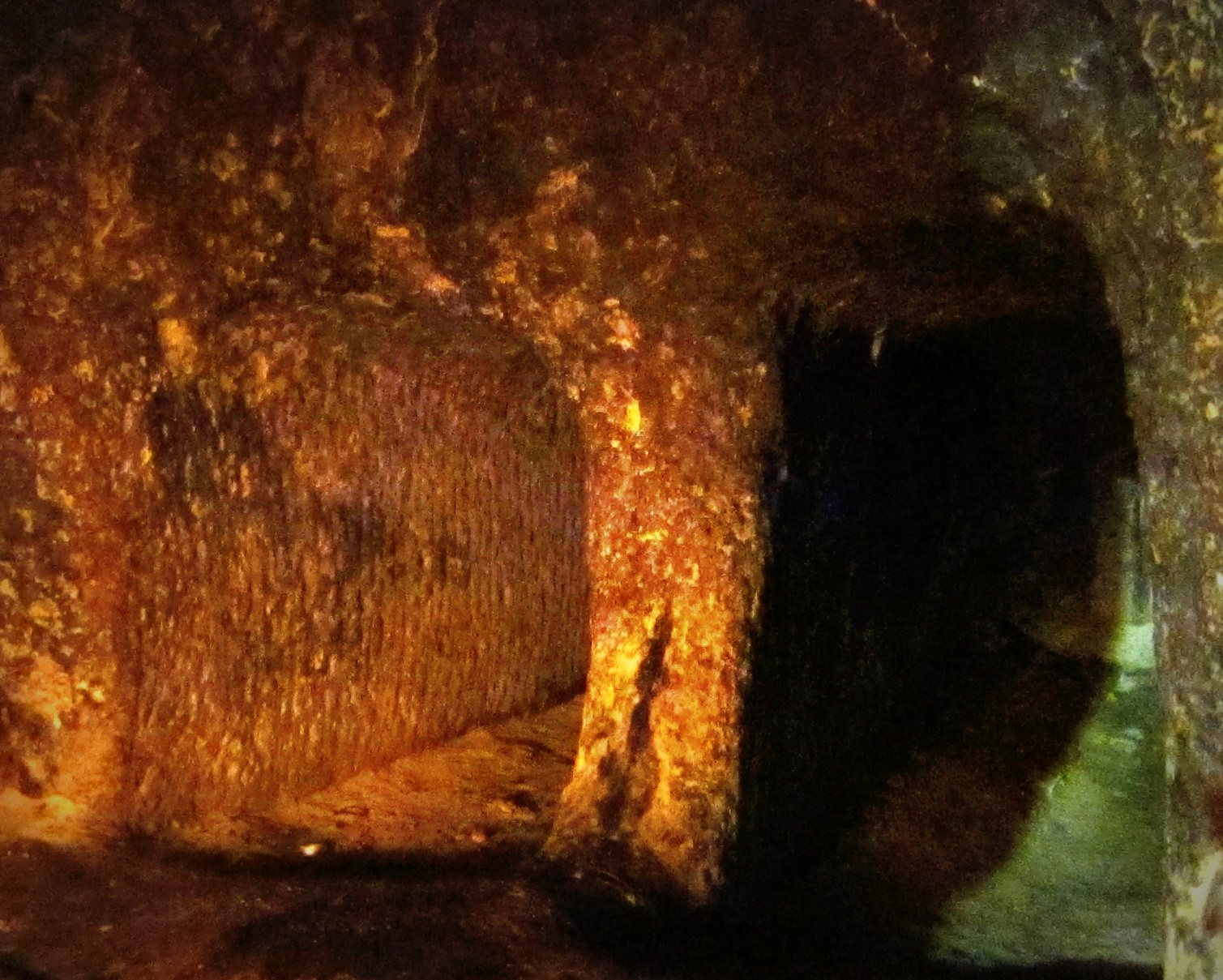
    Certainly that’s the only way to see Calvary as it was, an outcropping of cracked rock rejected by the builders and chosen by the executioners instead. And it’s only with the eyes of your heart that you can see the tomb of Jesus as it was. But it does help to step into a side-chapel and see these first-century grave-niches, likely part of the same cemetery in which He was buried.Imagine that behind you is the rolling stone covering the entrance. To your right is an arched grave shelf cut into the wall, nothing on it but linen wrappings infused with the heavy scent of spices. Can you imagine Peter and John leaning in and seeing that empty shelf? Or the women seeing brilliant angels sitting there? Or Mary crying near the door, just before she meets the risen Jesus?
    Even when our imaginations fail, and our minds and hearts seem too small to take it all in, the bottom line remains the same:

    Wherever. However. Whenever. (He chooses)…
    We will meet Him too.

    Elisabeth

    August 22, 2011
    Life in the Land
    1 comment on here
  • welcome

    …to the land of the Bible.

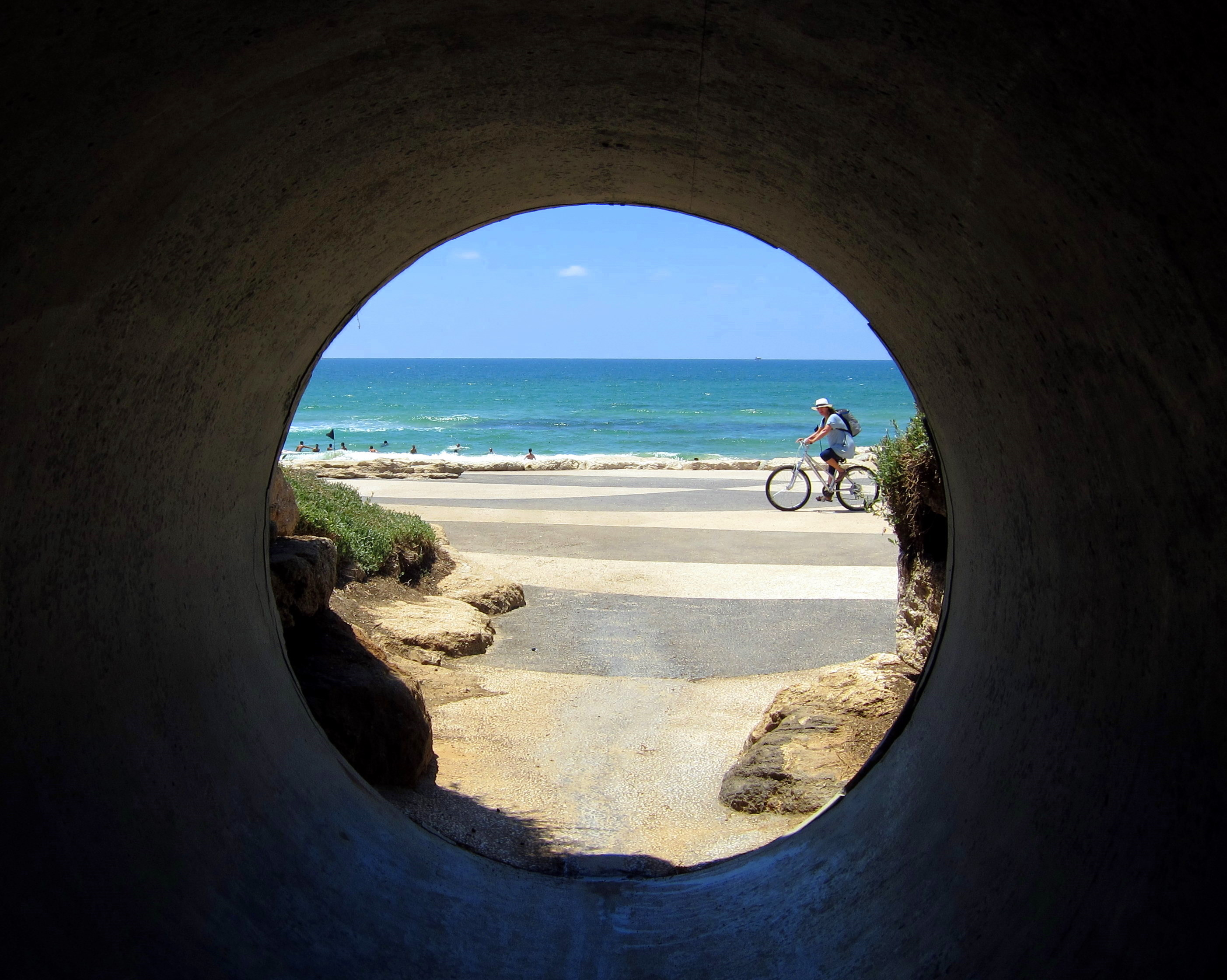
    On the west, it’s all blue and breezy Mediterranean.

    On the east, it plunges 1388 feet below sea level to the lowest point on earth.

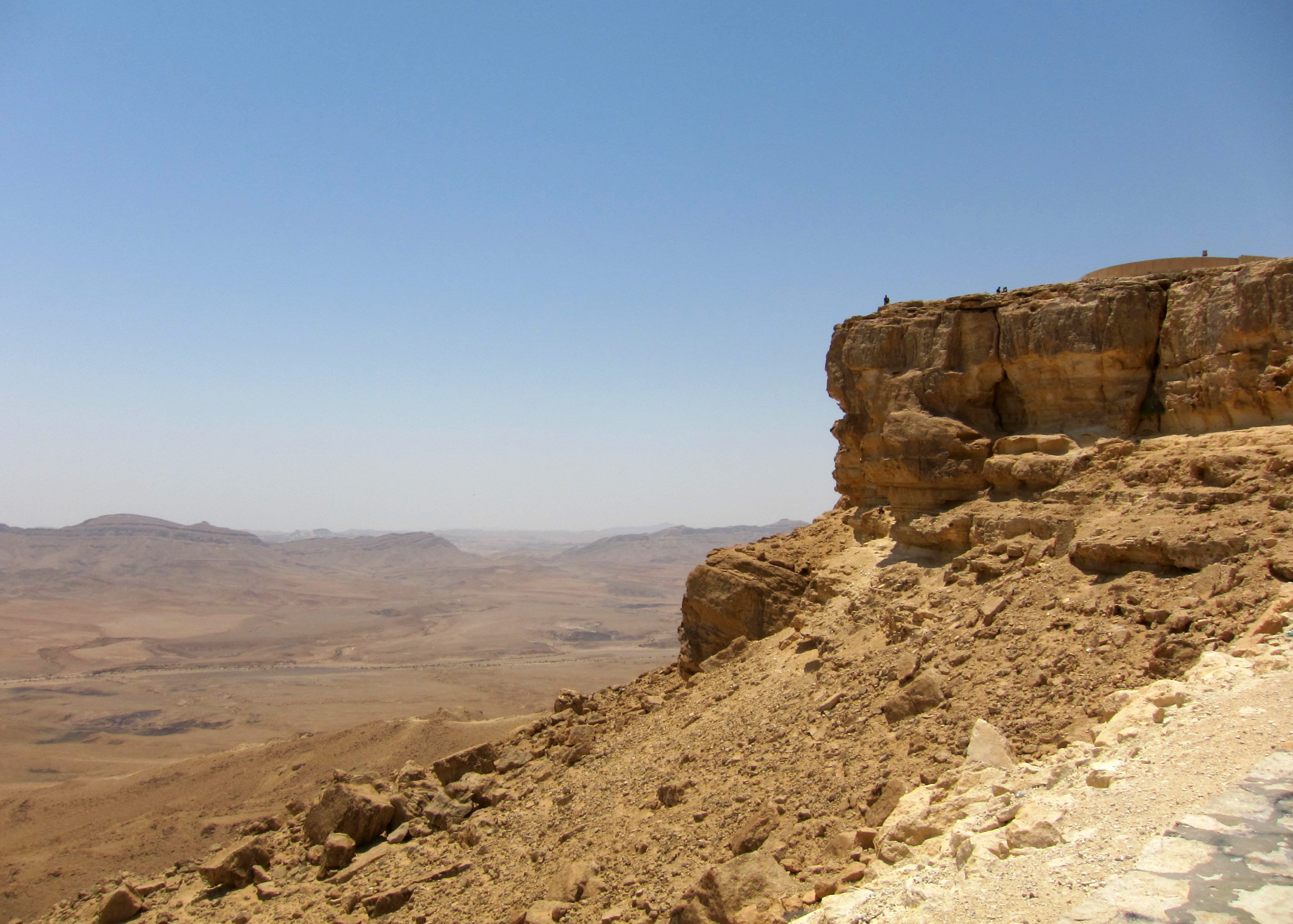
    In the south, it’s rocky, rugged desert…

    but it’s snow-fed from the north.

    A whole kaleidoscope of climates in a spot the size of Lake Michigan.

    Or Vancouver Island.

    Or Taiwan.

    Tiny, yes. But never, ever boring.

    {Up next: some favorite Biblical sites}


    Elisabeth

    August 15, 2011
    Life in the Land
    No comments on welcome
  • anticipation

    Sometimes summertime in Jerusalem means lots of guests, and a welcome excuse to explore and to see this Land through newcomers’ eyes again

    Back when it was my first time in Israel, I had no camera. I had to rely on words to paint pictures of the people, the places, and the happenings I so longed to remember and share with folks back home. Sometimes I found myself making sketches in my head while I was out and about, asking myself, “How can I make them see this?”

    Then I got a camera, and a whole new world opened up. I found that I wrote less, as I relied more and more on photography to store up memories and experiences.  I found that taking photos can be an act of worship, as I focus more intensely on what God has made. I also discovered that photography doesn’t have to be skilled to bring a great deal of joy to others.

    I had a very happy few years with my trusty, battered, pocket-sized camera. Then this happened, just before this summer’s touring was set to begin:

    Suddenly, taking pictures meant clamping the battery door shut with my trigger-hand, and still managing to hit the shutter. I got serious about looking for a new camera, but as I waded deep into the confusing world of comparison shopping, meanwhile wrestling with my crippled camera, photography wasn’t a favorite anymore.

    That’s when I realized I was living a parable for the single life.

    In both cases, life works — but I’m not satisfied with how well it’s working. I want more — but I wish somebody would just step in and tell me exactly what (or who) I need, so I don’t have to make bewildering choices. I want something new — but I’m worried that I’m just being ungrateful.

    As usual, I felt God nudging me towards a paradoxical perspective.

    I kept using my old camera, and discovered that I could still get (and share) a lot of joy, even when it wasn’t functioning perfectly.  I kept asking God for direction about a new camera, and found (within my budget) an even better model than I had envisioned for myself.

    I’m not sure how He melds greater reliance on His choice for me and more active involvement in discovering it myself. Deeper contentment with what I have and a more-than-I-can-ask-for future. But He does.

    The lines have fallen for me in pleasant places… (Psalm 16:6)

    Coming up: some word-and-pixel pictures of summertime in Israel.

    Elisabeth

    July 27, 2011
    Life in the Land
    1 comment on anticipation
  • What’s a Girl to Do?

    Once again, I have a lot of folks to thank for a new article, beginning with some commenters on the Boundless Line.

    Jenny suggested:

    I think it would be great to have several different articles/posts geared towards men and women separately… Show men how they’re created in the image of God and the awesome role they play. Encourage the woman how we can change our attitudes towards men in general, and how we can build up the men we interact with on a daily basis.

    And Naomi wrote:

    How about an article encouraging women on the practical ways to encourage men?

    To actually come up with ways to do that, I did some research over at the Love and Respect blog and forums, and talked to some real live men (and the women who love them).

    Special thanks goes to Jorge, who so eloquently described the influence women can have on men, to C.S. Lewis, who helped me sort out some of the nuances of male-female relationships in his book, The Four Loves, and to Katie, whose two courageous blog posts (Of Mountains and Passion and Call it Out) stoked my vision for unconditional love and encouragement.

    To aim at loving instead of being loved requires sacrifice. Love reaches out, willing to be turned down or inconvenienced, expecting no personal reward, wanting only to give. -Elisabeth Elliot

    Elisabeth

    June 1, 2011
    Boundless
    10 comments on What’s a Girl to Do?
  • What’s Right with Men

    Usually my articles come from questions I’m asking, and experiences I’m living, but this one is different. It was inspired by several requests I encountered over at the Boundless Line.

    ZD asked:

    Please…give us tangible, practical, grab-it-with-your-hands experience on what [we] are doing CORRECTLY. Have the lady writers of Boundless tell of times when the men in their lives got it RIGHT. Some of us men out here are not just role-modeless, we are wounded in this area. If a man has a broken leg, you don’t tell him to ‘man up’ and walk. You get that bone set, then give him physical therapy. And then you delight when he walks again.

    Later he added:

    What ways did God design men which make you think about how amazing our creator is? What are some of the sterling points of masculinity which stand out to you? We guys hear a lot of criticism about us (quite a bit of it justified), and we hear a lot about our faults and how we need to fight them. It would be EXTREMELY refreshing to hear some plain encouragement or small bit of admiration from a woman’s point of view.

    Kelly felt the same way:

    I’d like to see an article that builds men up. Often, with all of the “drama” that builds up around finding-a-spouse, and the sometimes-nasty debates that spring up in the comments, it causes me to focus more on the bad qualities of both men and women rather than the good. And so I would like some reminding of why men are wonderful creations of God!

    This article was long in coming. I thought, pondered, noticed. I asked other women. I asked men.  I prayed, rewrote, and rewrote again. I sent a draft of this article to one man: it made him cry. I mentioned to another what I appreciated about him: he stood visibly taller. As I examined my own attitude and focused on what God had wrought, I was chastened and encouraged.

    What is right with men?  Oh so much! I’m really, really glad you asked.

    Of course, I’m not the only woman who sees God’s handiwork in His sons. (more…)

    Elisabeth

    May 18, 2011
    Boundless
    6 comments on What’s Right with Men
  • Cinderella

    Perhaps you would have laughed, peering into my kitchen last Friday afternoon. There was the pot of soup simmering on the stove, the challah rising forgotten in a bowl, the mop bucket, the grubby floor…

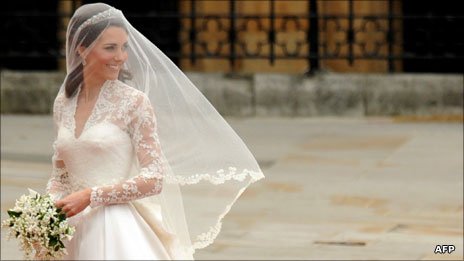
    and the pealing bells and pomp of a royal wedding playing out live, just on the other side of the sea.

    All the good things about this particular wedding made it piercingly beautiful. It reminded me of heaven, shattered that reminder with its humanness, then hinted at heaven once more. With all that almost-ness, I could have come away cynical, or infatuated, or both. (And perhaps I did).

    But I’m mindful of what C.S. Lewis described as “our lifelong nostalgia, our longing to be reunited with something in the universe from which we now feel cut off…”

    All the things that have ever deeply possessed your soul have been but hints of it—tantalizing glimpses, promises never quite fulfilled, echoes that died away just as they caught your ear. But if it should really become manifest—if there ever came an echo that did not die away but swelled into the sound itself—you would know it. Beyond all possibility of doubt you would say “Here at last is the thing I was made for.” We cannot tell each other about it. It is the secret signature of each soul, the incommunicable and unappeasable want, the thing we desired before we met our wives or made our friends or chose our work, and which we shall still desire on our deathbeds, when the mind no longer knows wife or friend or work.

    It is the longing “to find the place where all the beauty came from—my country, the place where I ought to have been born. The longing for home.”

    Take heart: for every longing there is an answering reality. There is a Way who will lead us home.

    According to His great mercy,
    He has caused us to be born again to a living hope
    through the resurrection of Jesus Christ from the dead,
    to an inheritance that is imperishable, undefiled, and unfading,
    kept in heaven for you.

    Elisabeth

    May 4, 2011
    Life in the Land
    9 comments on Cinderella
  • Risen

    He is not here.

    He is risen, just as He said.

    Go quickly, and tell His disciples that He is risen from the dead!

    Elisabeth

    April 24, 2011
    Life in the Land
    No comments on Risen
  • Pass It On

    Luton Airport wasn’t supposed to be my home for the day.

    I’d just spent a delightful week with friends in England, and after a long bus ride, check-in, and security, I was within minutes of boarding the plane when my flight was canceled.

    The next flight? A week later.

    My friends, a young couple with their first baby due in another month, had been hosting me in their tiny cottage, and I’m sure my presence, though welcome, was cramping their style. But when I called to let them know what was up, their immediate response was an enthusiastic “Come back!”

    Is it any wonder I feel so warm about hospitality? Considering the great wealth of welcome I’ve experienced in a variety of different cultures, I’ve got a king’s ransom to pass on to others.

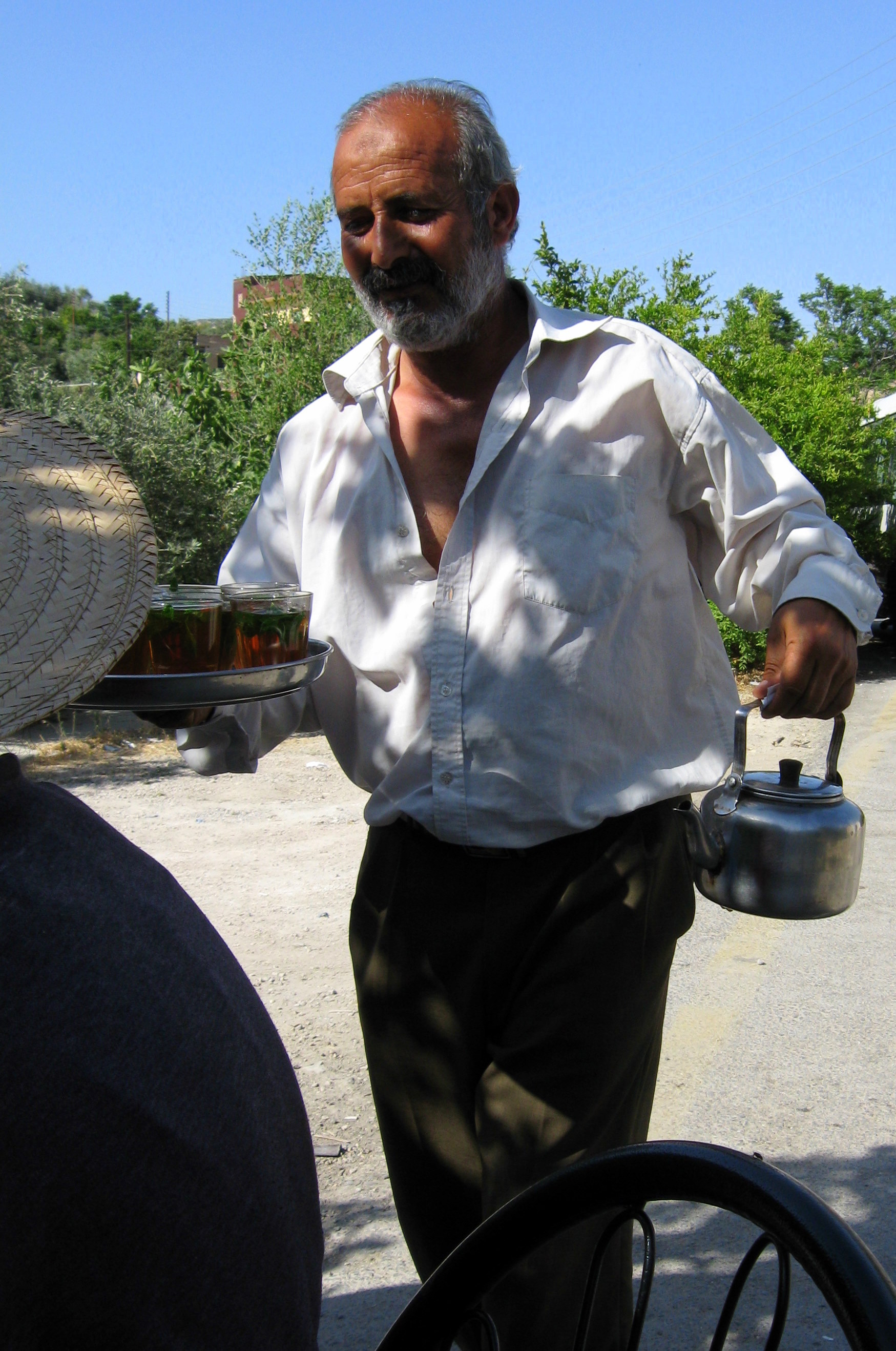
    I’m so glad these welcoming friends of mine also taught me that hospitality doesn’t have to look like the cover of Southern Living. Tea under a nearby fig tree, for instance, is just fine.

    If giving hospitality is ultimately the gift of ourselves, then each person’s style of hospitality will be just as unique as his individual personality, circumstance and season of life.

    Read more over at Boundless.

    Elisabeth

    April 13, 2011
    Boundless
    5 comments on Pass It On
  • Naturally

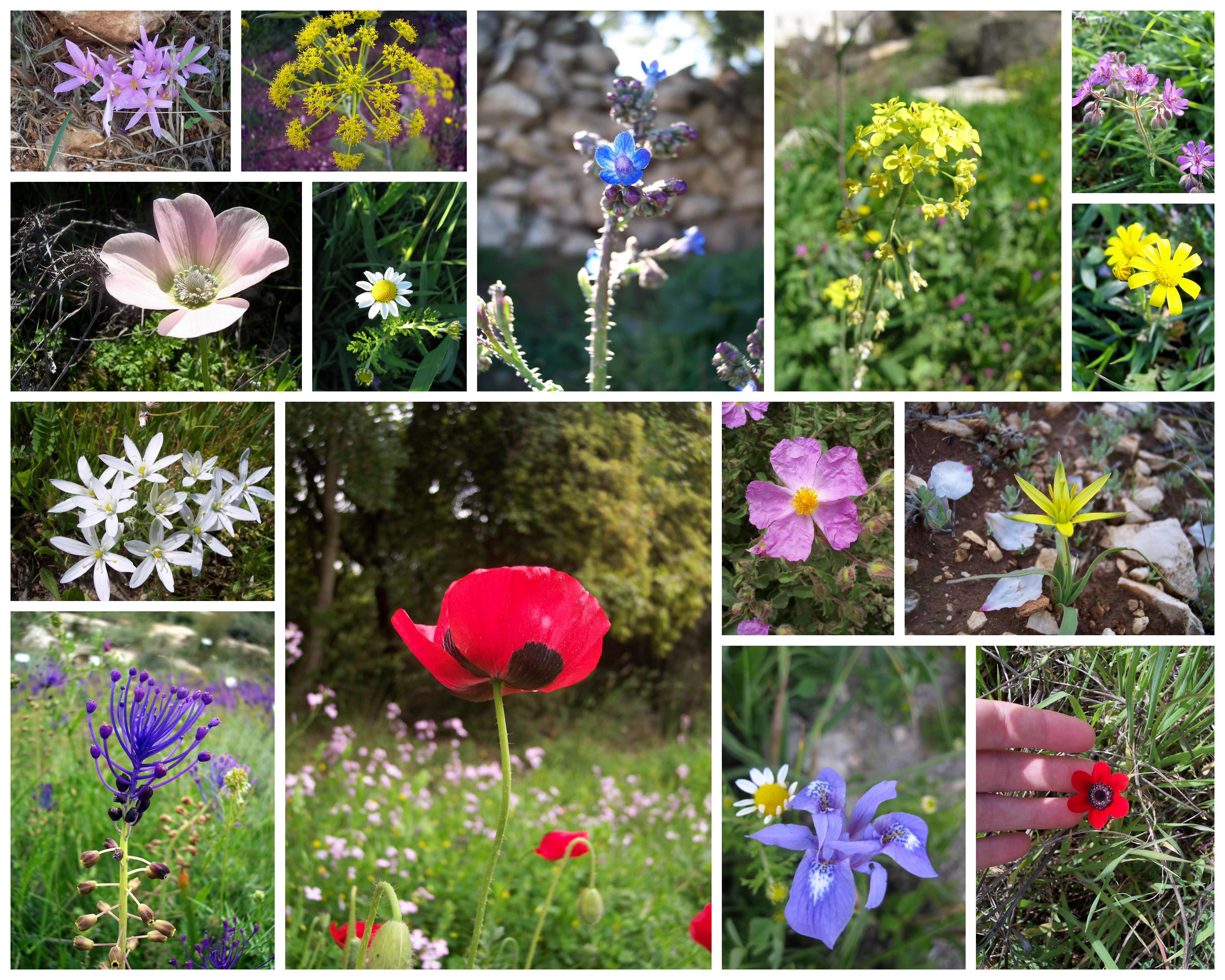
    Have you ever noticed how often Jesus described the natural world? For instance, He told us to pay attention to the lilies of the field:

    In the past few years, I’ve learned that paying attention to Israel’s plants and animals means getting to know some of the characters of the Bible, face to face. But last week, as I was creating a photo album for a friend, I began to see even more: The loveliness of Jesus’ character, and the reality of His sacrifice was unfolding in these ordinary living things.

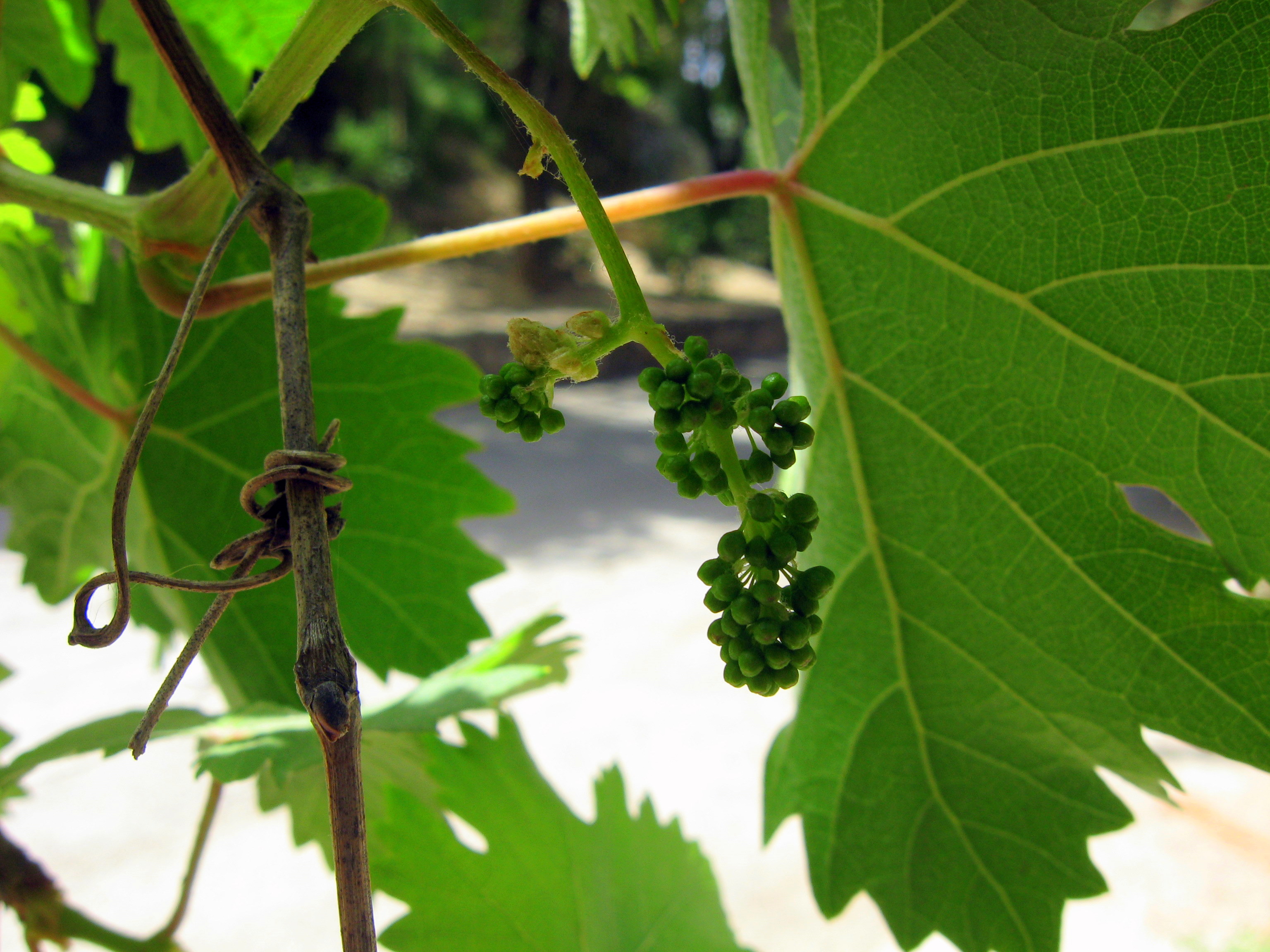
    I am the true vine, and my Father is the vinedresser.

    Isaiah and Jesus told similar parables with the same point. Like the man who created a wall, winepress, and watchtower, who diligently cultivated, weeded, and pruned his vines — and who sent his son into the vineyard to help — God performs all the steps necessary for us to bear much fruit. (Is. 5, Mt. 21, Jn. 15)

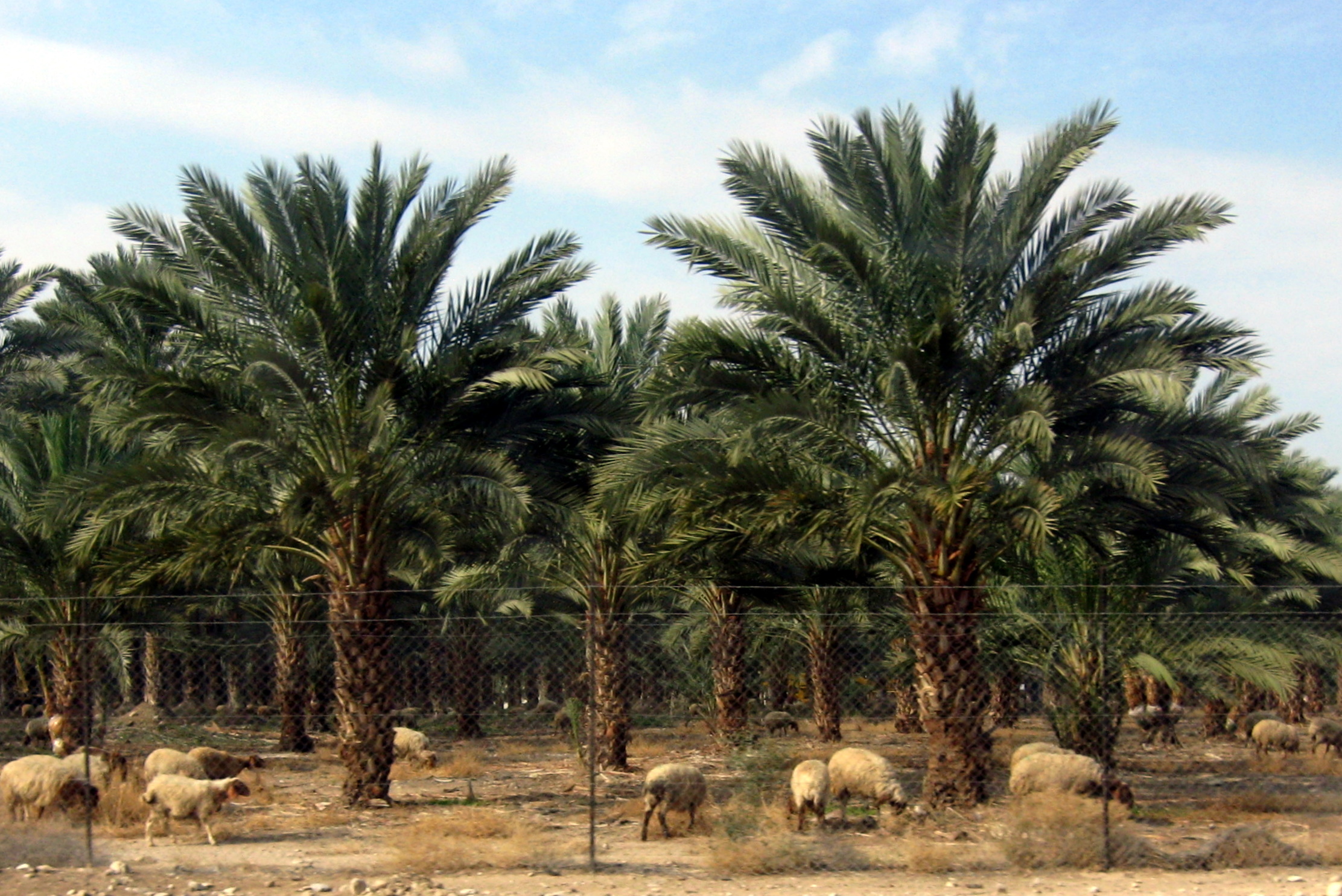
    They took branches of palm trees and went out to meet him, crying out, “Hosanna!”

    At the time of Jesus, date groves by the Dead Sea produced huge clusters of toffee-like fruit. The palm’s branches were waved in celebration at the annual feast of harvest…and they were also used to welcome Him into Jerusalem. (Lev. 23:40)

    Behold, your king is coming to you…humble and mounted on a donkey.

    Donkeys were widely used for transportation, while horses usually belonged to royalty for the purpose of war. By choosing to ride a donkey into Jerusalem, Jesus signaled the fact that He was entering humbly, not as a military conqueror. (Zec. 9:9)

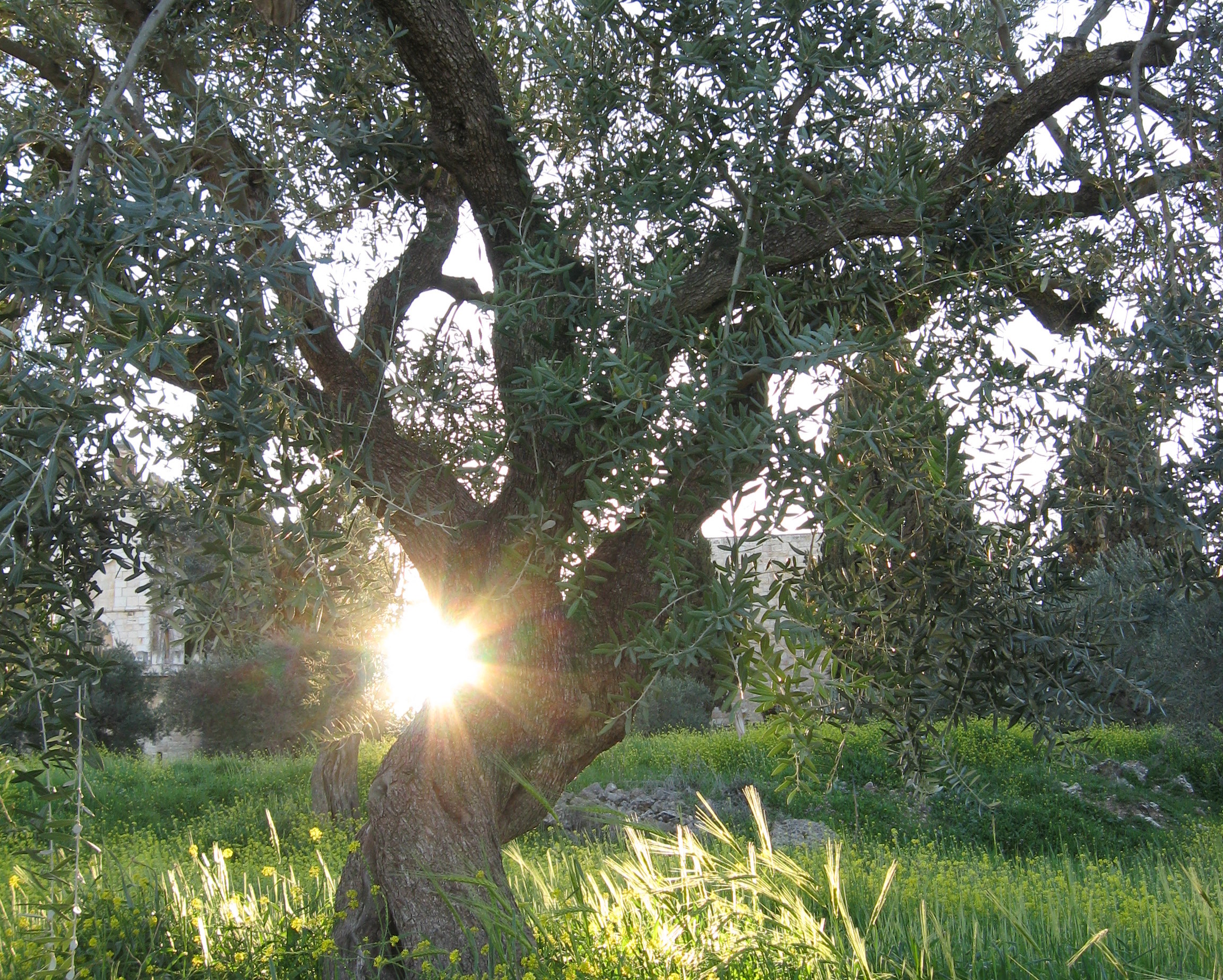
    Being in an agony he prayed more earnestly; and his sweat became like great drops of blood…

    Olive oil, a symbol of the Holy Spirit, was used to induct prophets, priests, and kings. But to produce oil, olives must be crushed — much as Jesus was at Gethsemane, which means “oil press.” (Mt. 14:32)

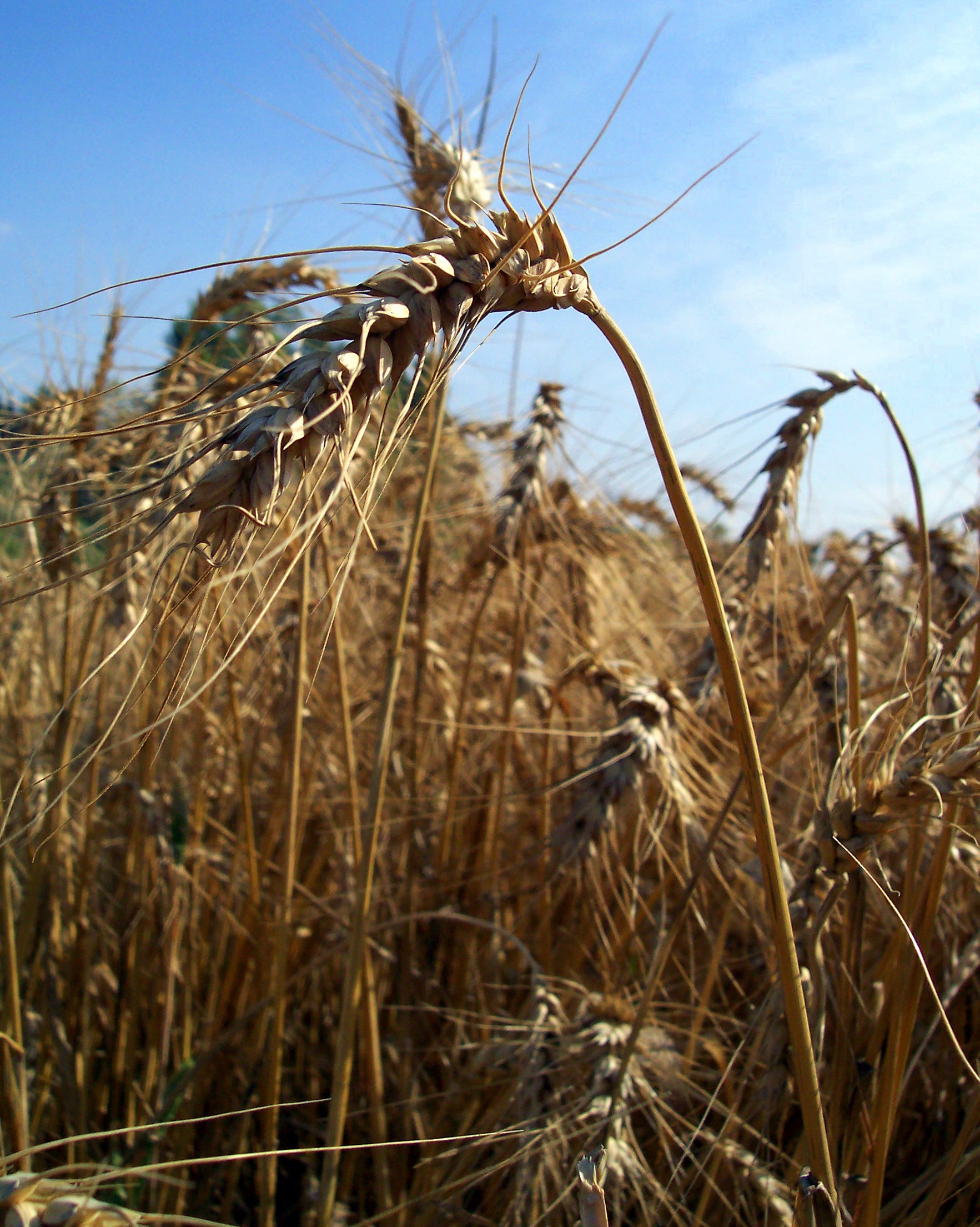
    Unless a grain of wheat falls into the earth and dies, it remains alone…

    …but if it dies, it bears much fruit.

    Elisabeth

    April 6, 2011
    Life in the Land
    No comments on Naturally
  • novelizing

    Once upon a time, I was required to design a short seminar. Not surprisingly, I chose the topic of writing.  So I read (and read), taking some forty pages of notes that translated into an entire mini-course, handouts and all.

    I never actually taught that seminar.

    But as I reread my notes today, I discovered that God had surprised me.  The principles I write by, the ones I repeat to students, clients, and long-suffering friends: yes, those wise words? Many of them come from the novelists and wordsmiths whose books I read and seemingly forgot.

    He did it again: stealthily prepared me for an unknown future that was well-known to Him. I can’t think of a better academic adviser for this life-long course.

    Can you?

    Of that long list of books, my favorites were these:

    Simon & Schuster’s Handbook for Writers

    Lynn Troyka lifted the hood of the mysterious process of writing, and allowed me to look inside.  Huh: A step-by-step process. Mentally taxing, yes, but ultimately as likely to lead to success as following the steps of a recipe.  To the stalled writer she says matter-of-factly: You do have ideas. You  just need to uncover them. Then (bless her heart) she tells us how.

    Keep an idea book: store random and useful thoughts before they are lost.

    Journal: “Talk to yourself” on paper for 15 minutes a day. This strengthens your attentiveness and habit of writing.

    Freewrite: Gab nonstop about anything that comes to mind, without editing, for a specified length of time or number of pages.

    Brainstorm: Take a topic, and list all the random ideas that spring to mind. Then look for patterns and categories.

    Use journalist’s questions: Ask Who? What? When? Why? Where? and How? about your topic.

    Use mapping:  Start with topic in a circle in the center of your paper, and radiate thoughts around it.

    Incubate: Allow time (sleep, thinking about another subject, or just letting your mind wander) to let your ideas grow and develop.

    Someday You’ll Write
    A seasoned novelist, Elizabeth Yates writes to young women with a mentor’s voice, vividly describing three essentials habits of imagination: observing life as it happens around you, stepping into the thoughts and feelings of others, and keeping your eyes open for the ordinary event or object that sparks a story idea.

    For the beginning idea-hunter, she sketches a picture of that elusive beast: the one that sparks questions you want to answer. For the story-plotter, she urges the Golden Rule: invite your reader on a journey worth taking, and at the end, be sure to reward him for his faith in you. For the plodding author, she suggests some disciplines:

    Love what you are doing.
    Control your time.
    Be able to write in any circumstance.
    Keep physically and emotionally strong.
    Practice your writing weaknesses.
    Practice understanding yourself…and others.

    Steering the Craft:Exercises & Discussion on Story Writing for the Lone Navigator or the Mutinous Crew
    Ursula LeGuin, too, had the Golden Rule in mind when she urged some focus on punctuation! Why worry about these smallest nuts and bolts of books? Two reasons: It’s hard for readers to trust a sloppy writer. And because the author isn’t there to explain, the written word must be completely clear.

    Throughout her book, she made me laugh. Even when she was talking about sentence length, of all things. “The chief duty of a narrative sentence,” she says “is to lead to another sentence.” It can’t be so breathtaking that you stop to admire.  Can’t you imagine the author preening himself in the mirror of some epic sentence? Er, I can.

    Write Away: One Novelist’s Approach to Fiction and the Writing Life
    Elizabeth George was my favorite. It helped, of course that she began her book by saying that it’s a myth that only certain people are born able to write. Anyone can learn the craft of writing: they can gain the necessary tools and skills.

    The art of writing, on the other hand — the passion and inspiration and discipline — cannot be passed on, she says. Perhaps not. But sometimes spending time with such an artist — even solely through their written words — can mean that some of their attitude rubs off.

    As Elizabeth points out,  fiction is built on character: who a person is, what he thinks and does, how he responds to life. It’s also built on the character of the writer. For Elizabeth, showing up to write every day is an act of faith. Faith that God gave her talent. Faith that if she can imagine a book, she can finish it, one sentence at a time.

    Content if I never get around to novelizing myself, I’m still applying these truths to the writing I edit, the writers I mentor, and the articles I write.

    I haven’t forgotten.

    Elisabeth

    March 28, 2011
    Writing Life
    1 comment on novelizing
Previous Page
1 … 10 11 12 13 14 … 16
Next Page

Get my posts in your inbox.

© 2023 Elisabeth Adams · All Rights Reserved

Create a website or blog at WordPress.com


Loading Comments...
 

    • Subscribe Subscribed
      • Elisabeth Adams
      • Join 84 other subscribers
      • Already have a WordPress.com account? Log in now.
      • Elisabeth Adams
      • Subscribe Subscribed
      • Sign up
      • Log in
      • Report this content
      • View site in Reader
      • Manage subscriptions
      • Collapse this bar