Dear Hanukkah,
You were delicious. You were thought-provoking.
But now it’s time to say goodbye.
Dear Hanukkah,
You were delicious. You were thought-provoking.
But now it’s time to say goodbye.
Sometimes real life really clashes with the Christmas season.
That’s how it felt over the first weeks of this December, when a family friend teetered at the edge of life and death after open heart surgery. Although they’re actually thousands of miles away, I felt very close to his children, my friends. With them, I was caught up in the waiting, the updates, the ups and downs, the sometimes gasped-out prayers for healing. (And rejoiced when he finally turned the corner toward life!)
Some folks dread this time of year. Why does Christmas underline the pain of the lonely, sick and isolated among us, the widowed, the divorced, the deserted, the depressed and broken? Is it because we expect it to be a glittery, glowing, warm, and family holiday, when there is peace on earth and good will to men?
Listen. If you’re surrounded by darkness, today is for you. Because really, truly, the natural habitat of this story is overwhelming darkness.
The people who walked in darkness have seen a great light; those who dwelt in a land of deep darkness, on them has light shined.

After a few holidays away from home, you learn some things about yourself. I discovered that I could do without the tree, without the presents and even (gulp) without my family — but one year, I realized that I was longing for some tangible connection with my closest friends. I wanted to buy real cards, add notes with a real pen, and drop them in the mail — so they could hold them in their hands on the other end.
I didn’t have a lot of money, but I knew Who to talk to. And (delightful proof that He doesn’t always say “Wait”), by that evening, I held a card in my hands. Inside was this:
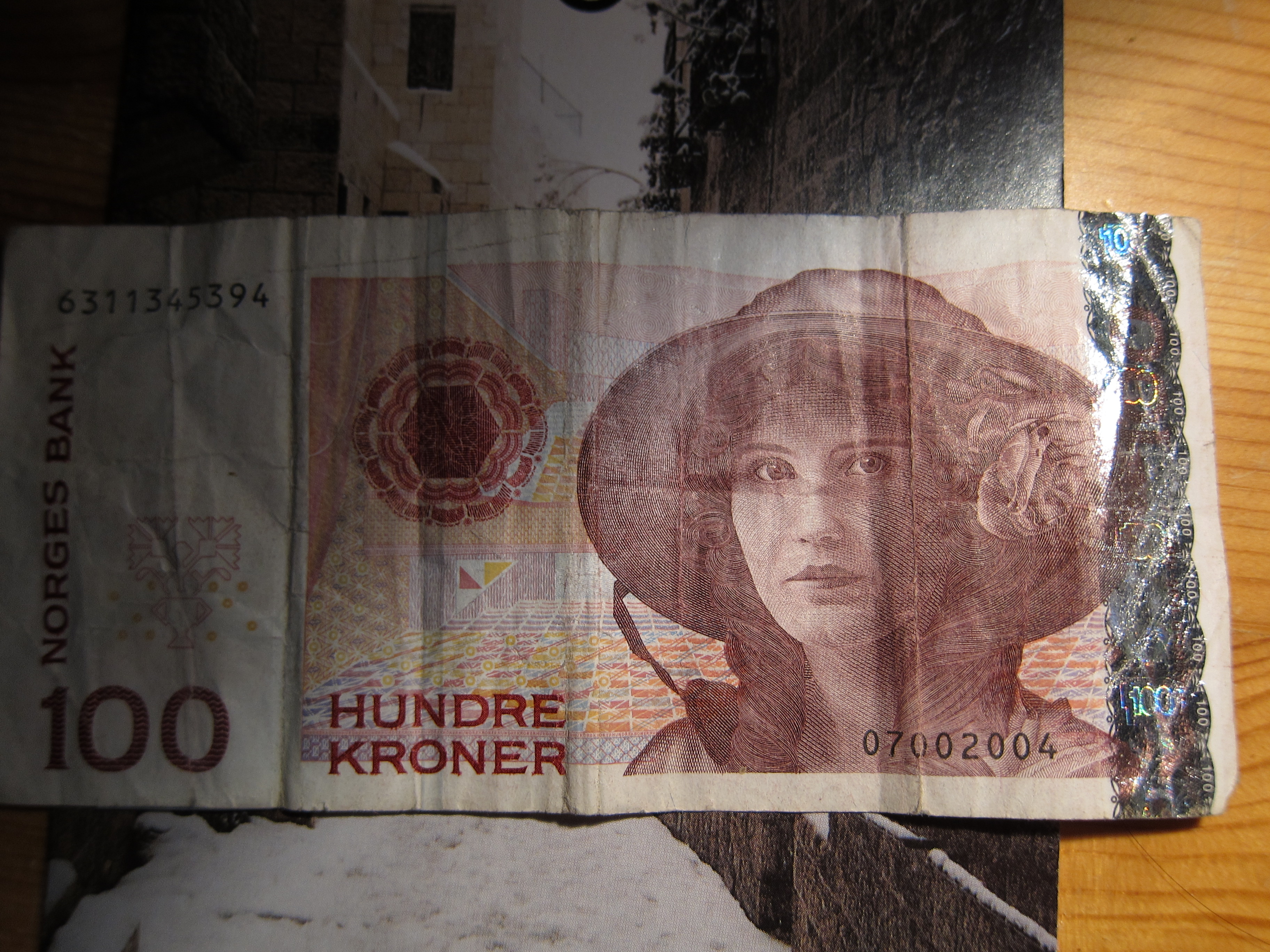
One hundred Norwegian kronors.
Here’s the sweet and humbling part: It came from a friend who can’t be any richer than I was. She’s soft-spoken and snowy-haired, hands crippled up with some affliction. She’s a life-long single who recently survived a bout with cancer. And for all that, she’s got a spirit as youthful and refreshing as a girl’s.
She sent me her widow’s mite, which proved to be worth…just the amount of shekels that went into mailing my cards. She sent me more, though: a clear reminder that my Heavenly Father sees and hears my needs, a sense of joy and satisfaction in connecting with friends at home…and who knows? Perhaps some encouragement for them as well.
God’s way of giving is so utterly incongruous:
In a severe test of affliction, their abundance of joy and their extreme poverty have overflowed in a wealth of generosity
How is this possible?
He who supplies seed to the sower and bread for food will supply and multiply your seed for sowing…You will be enriched in every way to be generous in every way.
The result?
This…is not only supplying the needs of the saints but is also overflowing in many thanksgivings to God.
Let’s think a moment about His inexpressible gift to us! For the raising of our Messiah, we are debtors to a peasant man and his teenaged wife. For news of our Messiah, we have shepherds, fishermen, and tentmakers to thank. As word passed from mouth to mouth, and people paid the price to believe, we owe something to slaves who spilled their blood in Rome, and generation after generation since, of ordinary people who lived the good news, died the good news, and carried the good news to us.
What better reminder than Christmas that in God’s economy, all are equipped to give — and often the poorest of us, the richest of gifts.
PS In honor of my generous friend — and of Jesus’ birthday! — I’d love to send five of you a postcard, from my side of the ocean to yours. Leave me a comment with a question (or two or three) you’d like me to answer on your card, and I’ll contact you for your name and mailing address.
 You know those scented candles in glass jars, the just-for-decoration candles you see in many living rooms? Well, in our house, they got lit. Along with the votives on the bookshelves, the tall tapers on the table, and any other stray candle we could hunt up. Once a week, at dusk, we’d flop onto the couch (or the carpet). With overhead lights off, the room would grow dimmer, and the candles would glow brighter, and our hearts would become stiller. We’d talk about what God had done that week. We’d sing softly. We’d laugh. We’d sit and say nothing, just breathing in quietness.
Once, my area lost electric power for ten days, just before Christmas. Every night at ten, someone switched off the generator, and the throbbing hum we’d heard all day died into stillness. Even the refrigerator was silent. We lit candles or oil lamps with tall, glass chimneys, and somehow, the low, golden light communicated stillness to my heart.
For some folks, candles mean fine dining and romance. They can, I know. But for me, they spell deep, inner quiet, and long, creative thoughts. It seems that in the absence of visual “noise,” my heart and mind come alive. Some of my writing (including this blog post, and my very first Boundless article) has grown naturally and unexpectedly out of a dark room and a few Hanukkah candles.
Is there a better time for stillness than now?
Mary kept all these sayings, pondering them in her heart.
Well, hello Hanukkah. It’ll be nice to have you around for the next eight days.
Thanks for the sufganiot. Especially the ones with the messy powdered sugar and the runny caramel filling. (Don’t tell anyone, but they’re much better than American doughnuts). Really, the only things that come close are real Boston cream pies — or Swedish semlor.
 Thanks for adding a bit of sparkle to this time of year. The menorah decorations on the streetlight poles, the huge electric menorahs at traffic circles and city squares, and the tiny, real flames in apartment windows. Candles that must not be hidden because they’re spreading the news: great miracles happened here.
Thanks for the reminder that God’s house cannot remain empty, that tyrants must fall, that the battle is not to the mighty, but to the brave, and the faith-filled, even when they’re small.
December looks a bit different around here.
It’s chilly enough to drink hot sahlab, but roses, strawberries, and green, green grass are flourishing. Dates are on the palms; other trees have lost their leaves.
I see a little to remind me of Christmas; a lot to remind me of Jesus’ birth —
whenever I keep a quiet heart.
(And that’s no different from when I’m at home).
Back when I studied Hebrew in a classroom, I felt like I had returned to kindergarten. Not only was I back to learning to read and spell, but someone had to correct my spoken grammar and vocabulary — if I even managed to open my mouth.
I noticed something about my classmates, though. In one of life’s many paradoxes, whoever actually dived headfirst into the messy business of speech — whichever ones had the most joyful unconcern for correctness — were the ones who most speedily improved in their new language.
Now after a long break, I’m studying Hebrew with real live people again. And guess what? They’re onto me. With refreshing frankness, I am admonished to take risks, already. To sit down next to somebody, anybody (even an elderly lady on the bus), open my mouth and say, “Hi. I want to improve my Hebrew. Will you talk with me?”
It’s that same cheery, smeary, vibrant, fingerpainting approach to words that gets me out of writer’s block and splats and splashes those hardest-won first lines on the page. Sure, there will be revising later. And I will have to master at least some grammar before I’m done learning Hebrew. Because detail is a vital part of effective communication.
But baby steps come first.
If you have ever tried to learn to dance; if you have ever tried to recall the notes of a long-ago memorized piano piece, now accessible only in the muscle memory at your fingertips, you will know that thinking too hard can sometimes trip you up.
We need not ignore or belittle the ever-analytical mind, but simply set it aside for a moment, as the wrong tool for the task — and tune in, somehow, with that mysterious, elusive capacity for relationship which different cultures pinpoint to different locations — but which we call the heart.
Perhaps this concept is akin to the childlike heart Jesus was looking for when He told us we had to change, to turn around, to be transformed, in order to comprehend His agenda, something even more wildly outside our natural thought patterns than a brand new language.
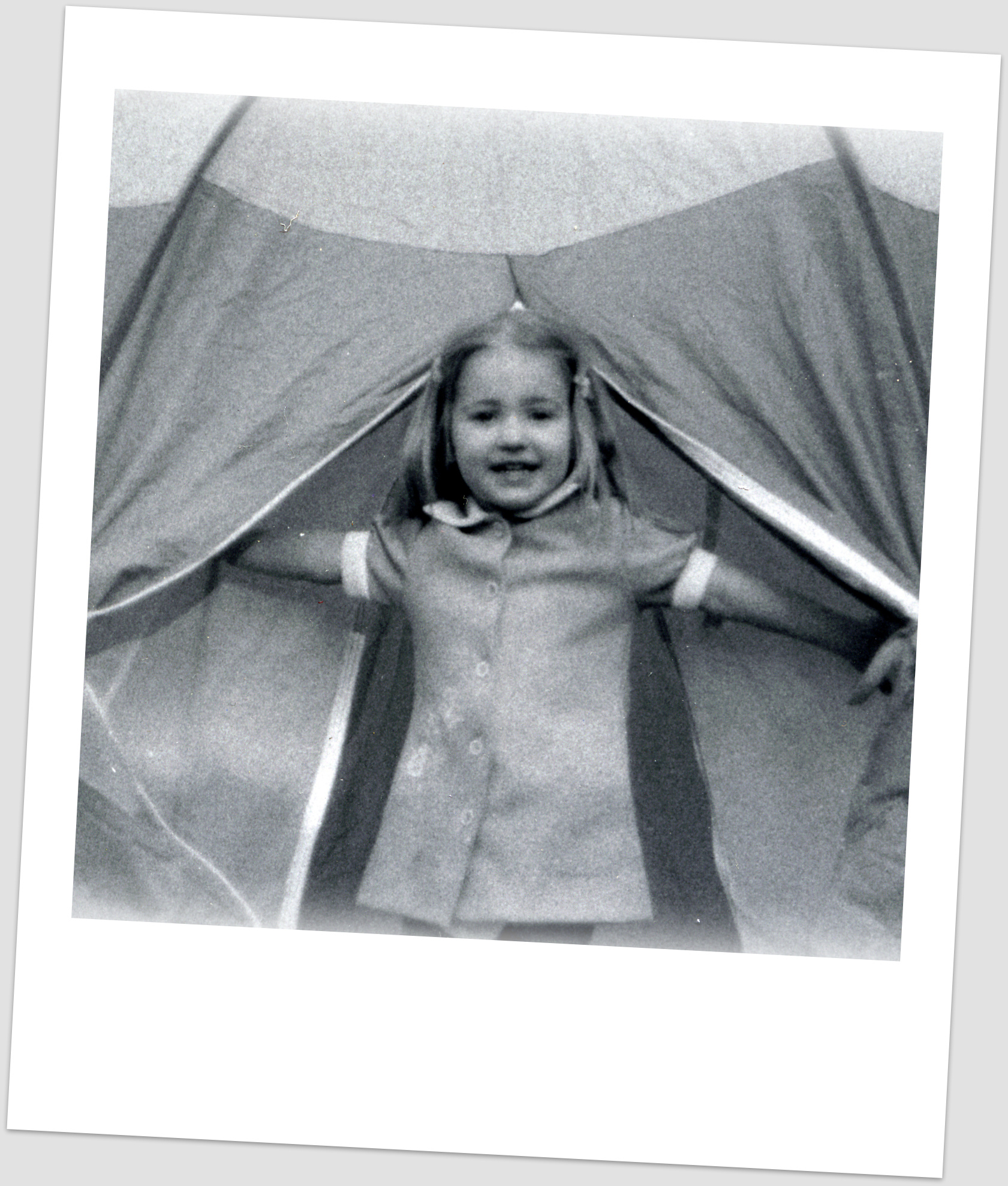 Adults are concerned with status. Who is the greatest? they ask. They’re concerned with success. Did I do it right?
A child is concerned with relationships. Who loves me? he asks. He is quick to discern and gravitate towards genuine love, throwing himself into the messy, joyous business of relationship with carefree, unselfconscious abandon. That’s the childlike humility that sets us free…
Free to embark on the adventure of knowing Him!
When I was studying Hebrew in a classroom, we sometimes listened to songs as a different way of practicing our new vocabulary. One of the more whimsical choices was a song called “Rutzi, Shmulik,” all about a girl who was deeply infatuated with a chap called Shmulik. How this was a romantic name, I just don’t know. But when her friends said, “Rutzi (come a-running, girl), Smulik’s calling you,” well, of course she came! I imagine that most of us have someone in our lives for whom we would drop everything, at a simple call. That’s the power of love.
Hebrew (and especially Biblical Hebrew) is an incredibly compact language. Sometimes just one word encompasses two or three, and maybe even four English words. Take the latter part of Isaiah 6:8. In English it’s, “Here am I; send me.” In Hebrew, it’s simply hineni; shalecheni.
Take the word kumi. It means “arise!” but encoded within it is the intended recipient: a woman, or a girl.
It’s a commanding word; a tender word.
“Arise! Come, my love,” Solomon calls to his bride. Kumi! Lechi, rayti.
Jesus used it to raise a twelve-year-old girl from her death-sleep: “Get up, little girl!” Talitha, kumi!
Peter must have used it too, in reviving Tabitha/Dorcas, the gentle woman whose name meant “gazelle.” Kumi, Tabitha.
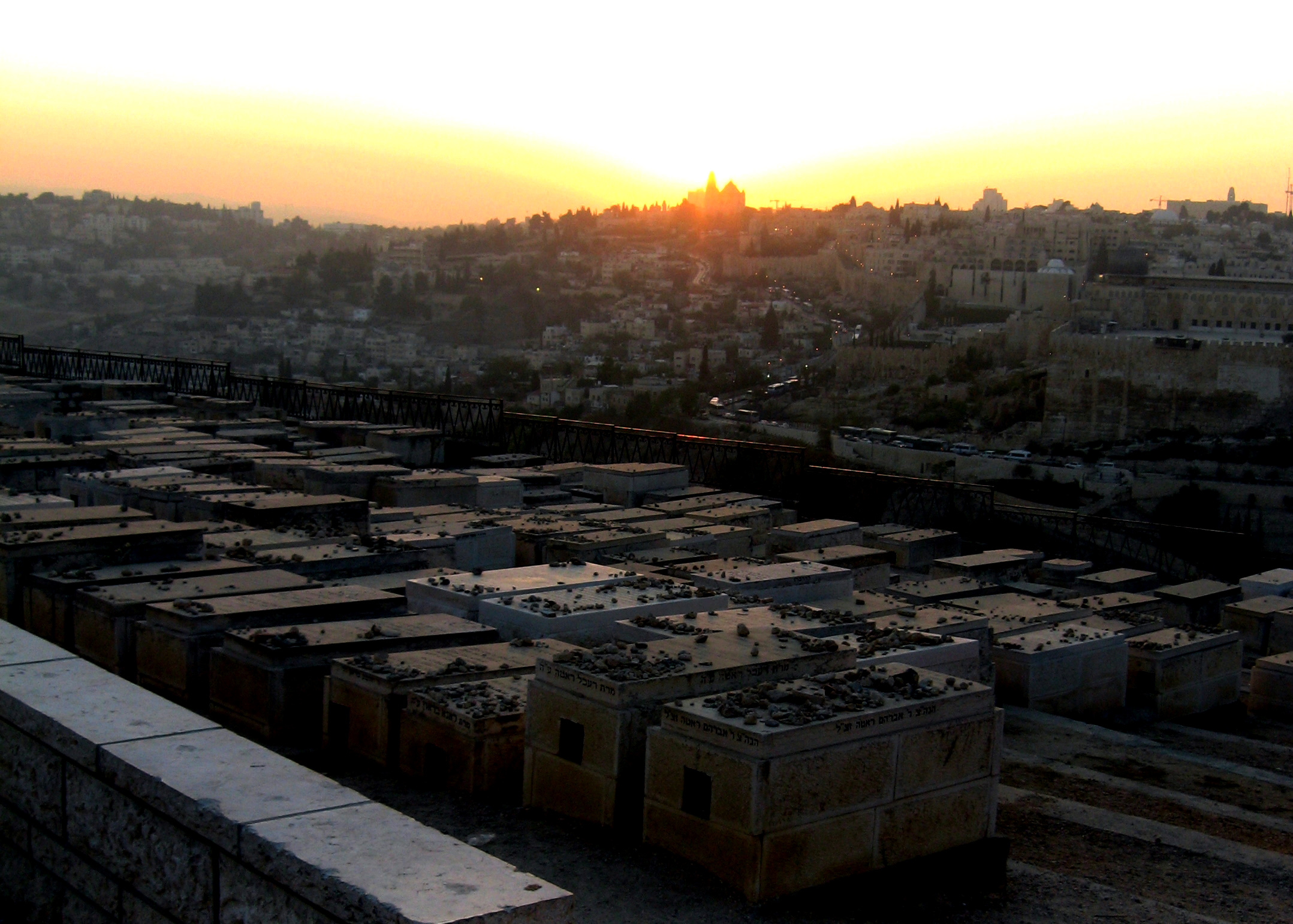 There are many graves in Jerusalem. Whether due to millennia of burials there, or the promise of Messiah’s coming to the area, thousands of them cover the Mount of Olives alone. Recently, I visited a much more obscure spot, a little Protestant graveyard tucked behind a wall in the heart of modern Jerusalem. I usually find the story-filled atmosphere of a cemetery to be fascinating, thought-provoking, meditative; this time I came away with one particular gravestone firmly lodged in my memory. It belonged to a woman called Ori, whose name means “shine!”
Beneath her name was written the first part of Isaiah 60:1:
“Kumi, ori, ki ba orech.” — “Arise, shine, for your light is come.”
Jesus made it clear that resurrection is not an event; it’s a Person. Who is personally connected to us. I can’t helping think that whoever had that stone engraved was reading the verse like this: “Arise, Ori, for your Light is come!”
Because when Ori’s Savior arrives and speaks her name, nothing (no, not even death!) will keep her from answering that call.
There is no more irresistible power than Love Himself. And oh, He is calling to the dead places in my life today. So those dry bones (no matter how dry they are) won’t be able to help themselves. They’ll just have to arise and live.
For Him.
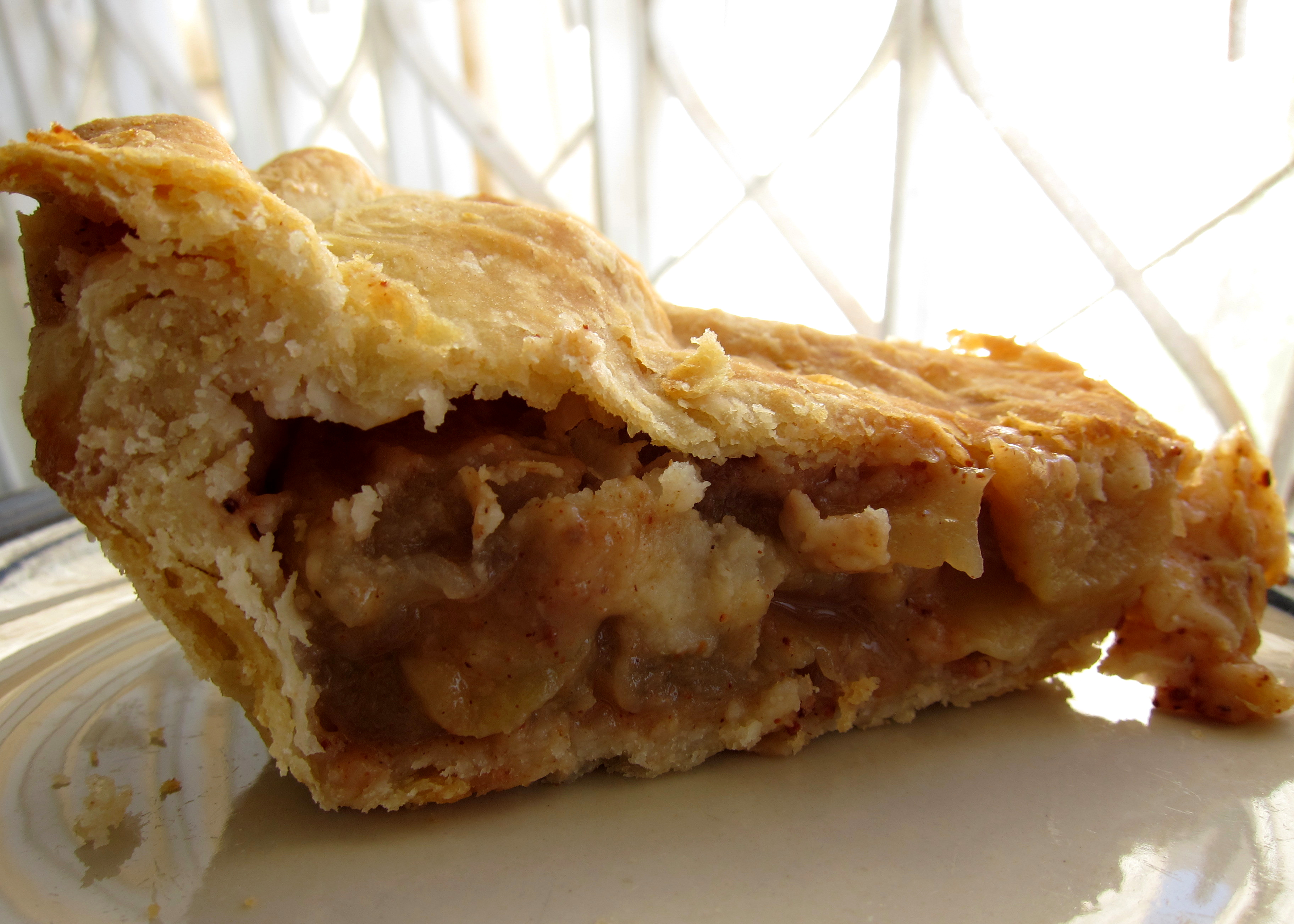 Thanksgiving on this side of the ocean isn’t the same as it is in America. I’m not saying that’s a bad thing; but it’s the truth. Over time, I’ve learned that if I focus on recreating all the things I’m used to at home, well, it’s a lot like drinking soy milk. (It may provide a dairy-like experience, but believe me, I’m still not convinced).Much better to focus on a few essentials, and enjoy those to the full.
By now, I may have managed to condense my Thanksgiving necessities down to three: the homemade stuffing (with sage), a table-full of people I love, and the thankful list.
I’m told that the first-comers of my faith to America barely survived the first winter…that when the second fall rolled ’round, they were beside themselves with joy over God’s provision, and held a three-day feast for Indian and immigrant alike. That for scores of years, they kept a fast-day in the spring (calling on Him to bless their crops), in addition to Thanksgiving every fall, when they celebrated those answered prayers.
(I love the passage in Zechariah, where God promises to turn fast days into “seasons of joy and gladness and cheerful feasts.” Isn’t that just like Him?)
Lately, I’ve been meditating on the idea that God stirs us up to pray specific prayers, because we’ll know it’s Him when He answers!
This year, my thankful list has two parts. First, I turned back to a page of requests from this spring. Requests for myself, for my friends. Things mundane, and things miraculous: the kind I can’t really imagine God answering, but I screw my eyes shut, take the leap and ask anyway. But mostly ordinary requests: the kind you are asking Him for, too.
And this page is peppered with red-inked answers. Why yes, he found himself a girl. Why yes, she reconnected with a man she once knew, in a way so simple, so natural, and so fitting, it could only be Him. Yes! God said. Yes, I’ll provide for that online course. I’ll restore that broken marriage. I’ll make myself known to that teenaged girl.
The other part of my thankful list details His blessings and faithfulnesses: a jumbled-up mixture of the sublime and the whimsical, things He dreamed up for me, whether or not I asked. More ways He said Yes! to me. Yes, you can go back to scribbling out compositions in Hebrew, and getting help with your much-lamented spelling. Yes, I’ll send you halfway around the world to meet your wee nephew. Yes, I’ll send you a pocket Bible and crocus blossoms, packs of Post-it notes and train rides, just because I can.
Sure, there are not-givens. There are answers for which I’m still waiting.
(I’ll thank Him for those later).
I’ve got plenty to celebrate today.
Trust in the LORD…feed on His faithfulness.
Caeasarea is a reminder of Herod the Great’s determination to leave his mark on the world (building an entire artificial harbor to supplant Jaffa’s rocky natural one).
More importantly, it’s a reminder of the Apostle Paul’s determination to follow Jesus, wherever. This is where the Roman governors (including Pontius Pilate) had their palace, where Paul gave his defense, and where he was imprisoned for several years before being shipped off to Rome.
It’s also a really good place to simply bask in blue.
 Elisabeth Adams