Is this the first time a story and a metaphor became my abiding place for months on end? I’m not sure, but it has been my home in a different, but just as real way as my little geranium-and-tea-party haven in a village in a forest near the eastern edge of the Western Hemisphere.
Since June, then, my address has been Ezekiel 47 and the river that trickles, then flows, rushes and roars down to resurrect the Dead Sea — so named not because it’s currently dying (though it is), but because as the Jordan River’s dead end, full stop, it’s much too salty to sustain marine life.
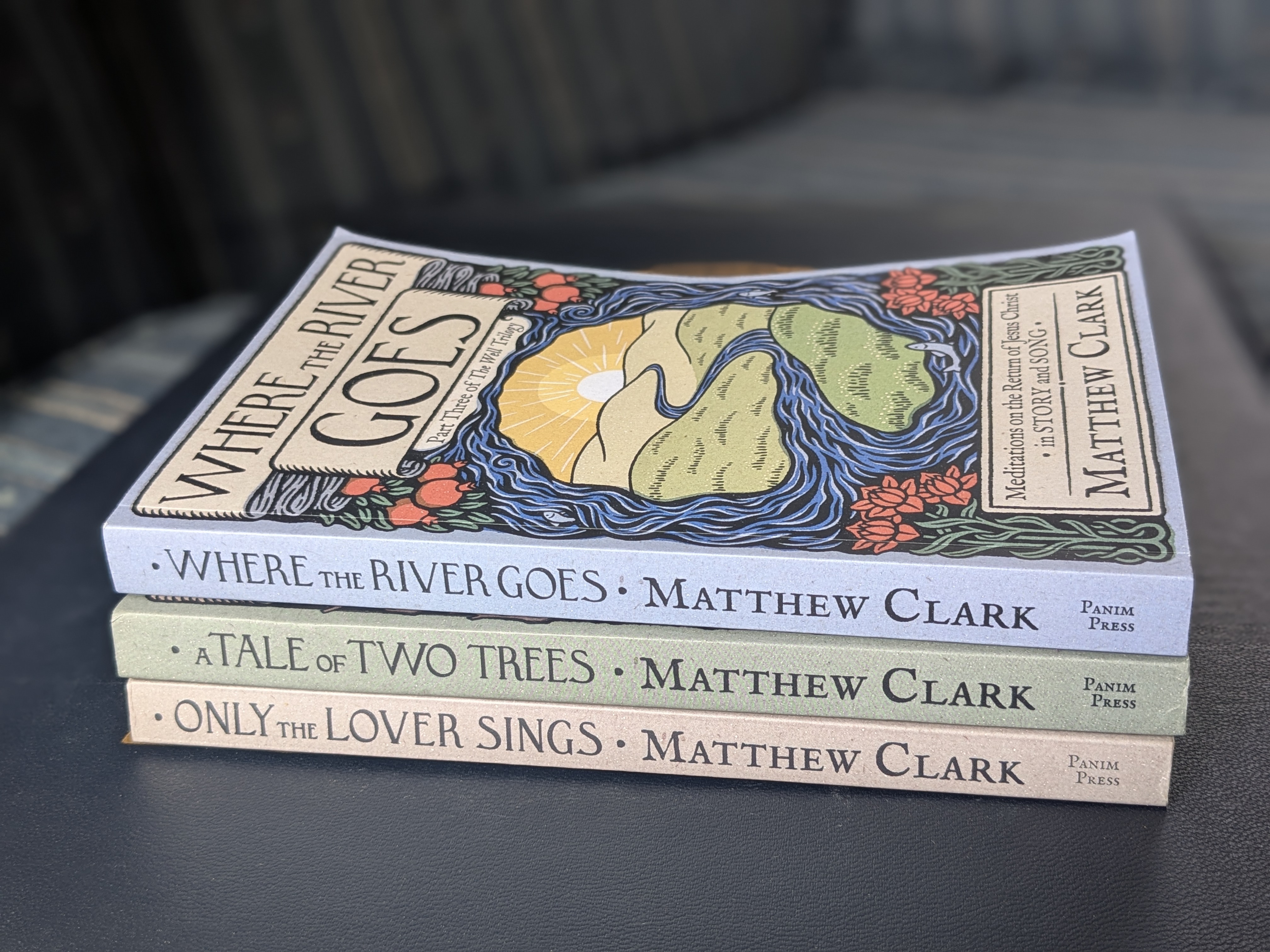
I didn’t choose this theme; it is the heart of Where the River Goes, the third I’ve edited in a trilogy of books by Matthew Clark. And not long after I accepted Matthew’s invitation to be one of the book’s eleven guest essayists, I realized, “I need to write about the Dead Sea.” A place I’ve visited and studied until it’s almost a living character to me.
After two years of hard news, including the full-stop of losing a sister I wasn’t done loving, vividly familiar geography turned into lament as I wrote. Why do the springs of Hermon feeding the Jordan River just run abruptly into a beautiful, sparkling, but rapidly evaporating dead end? Why so many cut-off potentials, so many metaphoric and actual deaths in the world?
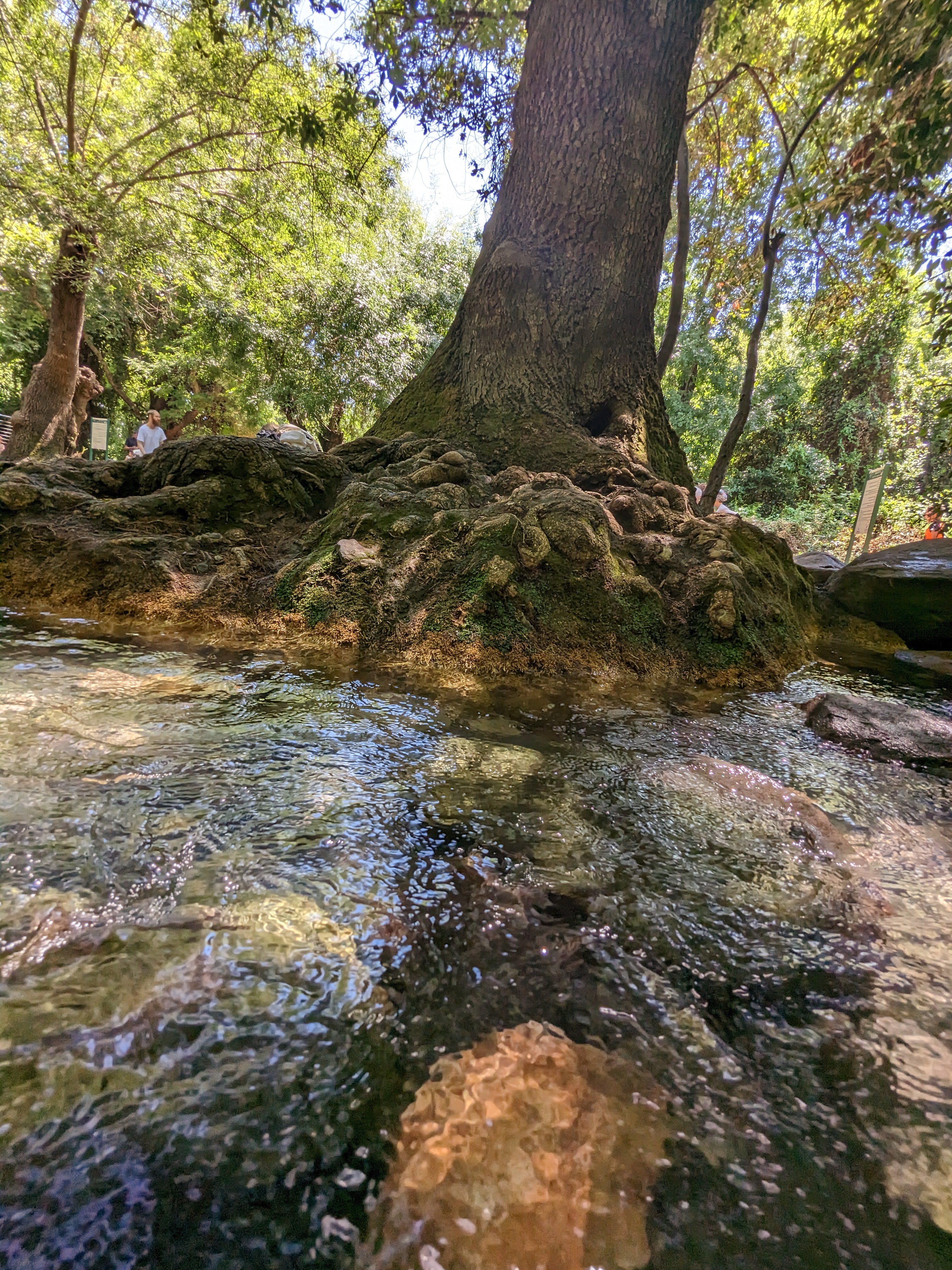
It has meant a great deal to me to be immersed in this project at this time because as I edited and wrote and pitched a tent in this theme, I began to realize that death is not the only and especially not the greatest inevitability. Death is already passing away. We are already (and joyfully) haunted by Resurrection because (in the words of Ezekiel) “Everything will LIVE where the river goes.”
Near the end of the editing process, I clicked open the latest version of the manuscript file, and tears sprang to my eyes when I saw that Matthew had added this dedication:
“To those who grieve, and yet hope.”
For those who’ve suffered losses (whether large or small), there’s a fellowship, a bond of suffering—and you are in it, with the rest of us. If you are sad and hopeful — or if you are sorrowful and cannot even imagine how to manage hope — we wrote for you.
*
Recently, I watched a pairs skating video with a little envy. What beauty there was in that level of skill and teamwork! When I returned to editing this project, I thought the Holy Spirit nudged me to look again.
See the gorgeousness and artistry of 32 writers responding to three biblical metaphors and three albums of music? And who else (as editor) has gotten to meet that many writers and hold that many conversations — where? In the margins of their essays, in real time.
I cried, I laughed in the middle of a very serious subject, I chuckled as one writer joked about Winnie the Pooh’s spelling style. I was in awe at the humility of very accomplished writers, very academic voices, and deeply bereaved folks to take direction from me.
To one, I wrote, “I feel like you are speaking like someone who doesn’t want a friend to worry about him.” Graciously, he dug deeper and gave more.
When (surprise!) Matthew invited me to add my own chapter, in one sense, the generosity of my fellow writers was a tough act to follow, but in another way, their example made it very easy to put my heart on the page. In another lavish act, two friends stepped in as my editors. And that’s how I learned that two years into the project, my prose had clearly been shaped by its many more lyrical writers.
Of my 31 teammates, I have met just one in real life. But recently, several of us gathered onscreen to celebrate The Well Trilogy’s completion. While I’m still smitten with in-the-margins conversations, I was so excited to see these new-old friend’s faces, and signing in felt a little like I was about to see, say, some Narnia characters. “Oh look, it’s Mr. and Mrs. Beaver! There’s Tumnus the Faun!”
Y’all, someday we’ll be in heaven, and the beauty and intricacy of our conversations and shared connections will be unrivaled. But I’ve had more than a little taste of it while working on these books. And beyond what my words here can express, I am grateful.
 Elisabeth Adams