Believing the Bible is one thing. Finding yourself on-set of its history is quite another, and it can be a befuddling experience.
There’s a lot to interpret and understand, because history has left behind a whole layer cake of evidence. It helps to study. And it helps to stop studying and simply experience the places, using your newly-educated imagination to see down through the layers to the years when Bible tales were playing out in real time.
There’s a lot to distract your eyes. If history left a layer cake, then culture has frosted the sites heavily with tradition. Sometimes you have to see through the churches (and ruined churches) capping nearly every Bible site, undistracted by the culture shock they give.
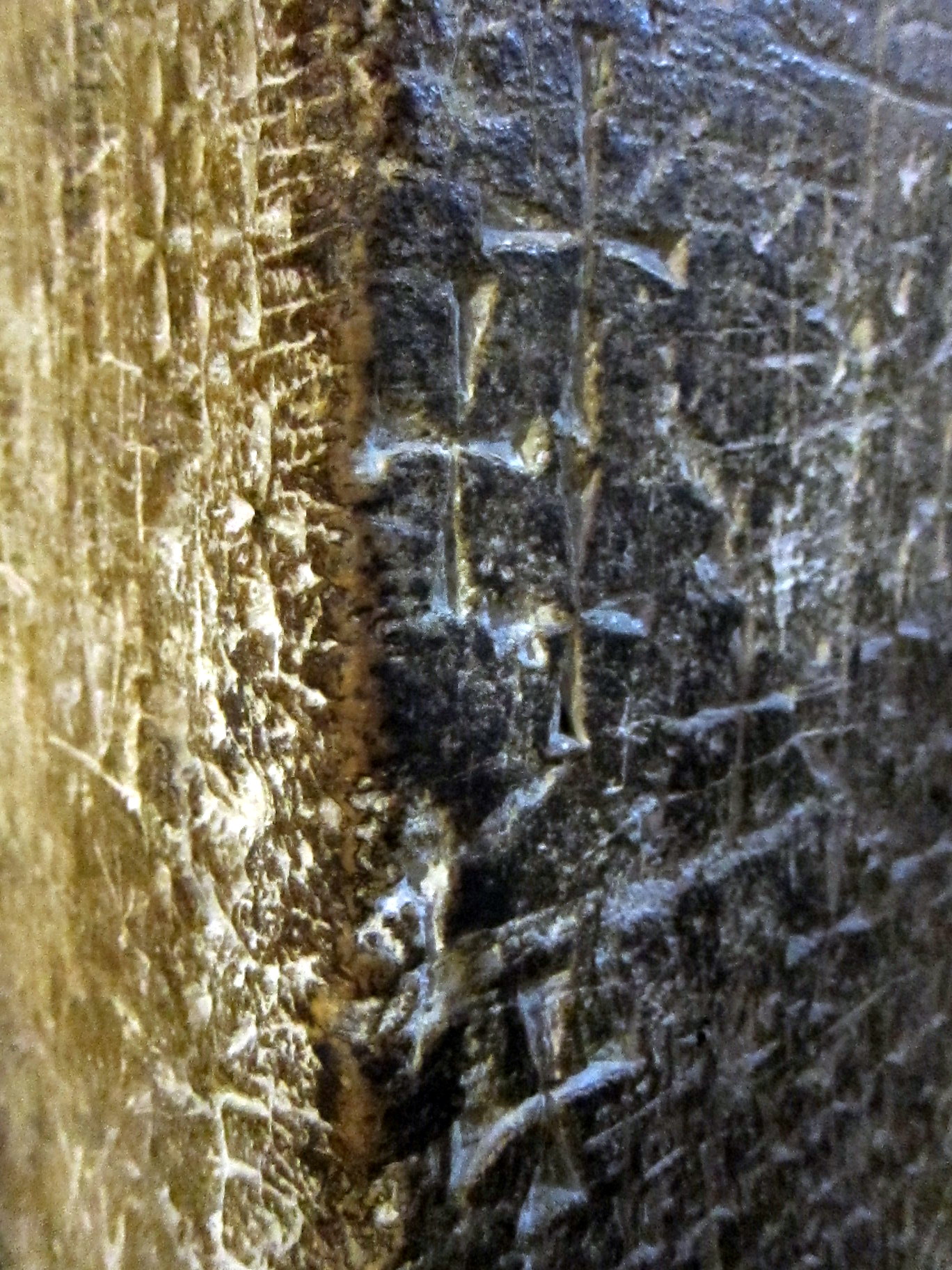 There’s a lot to ponder. Visiting Bible places helps me understand why pilgrimage, why liturgy, why kissing of icons and buying a bit of holy earth to take home. Confronting the intersection of sacred and physical, I don’t know what to do.
Read, pray, speak, photograph?
Build, leave initials or gather stones?
Laugh? Dance? Sing?
When the LORD brought back those that returned to Zion, we were like those who dream.
Then our mouth was filled with laughter, and our tongue with shouts of joy.
Perhaps the most challenging site of all is the site of Jesus’ death, burial, and resurrection.
You see, there are two candidates for this spot. One is hid in a green and quiet oasis near the Old City: It’s much easier to worship at the Garden Tomb. But it is an Old Testament style grave, hard to reconcile with the “new tomb” of the gospels.
The other was an abandoned quarry which attracted the attention of early believers until AD 66, just before the destruction of the Temple. It was covered by a massive pagan shrine during the rule of Rome, then lovingly unearthed by Byzantine Christians, who built here a church called Anastasis – Resurrection. Delighted to be worshiping their risen Lord in a place so long inaccessible, they concluded that His return must be near – and the church’s other name was the New Jerusalem.
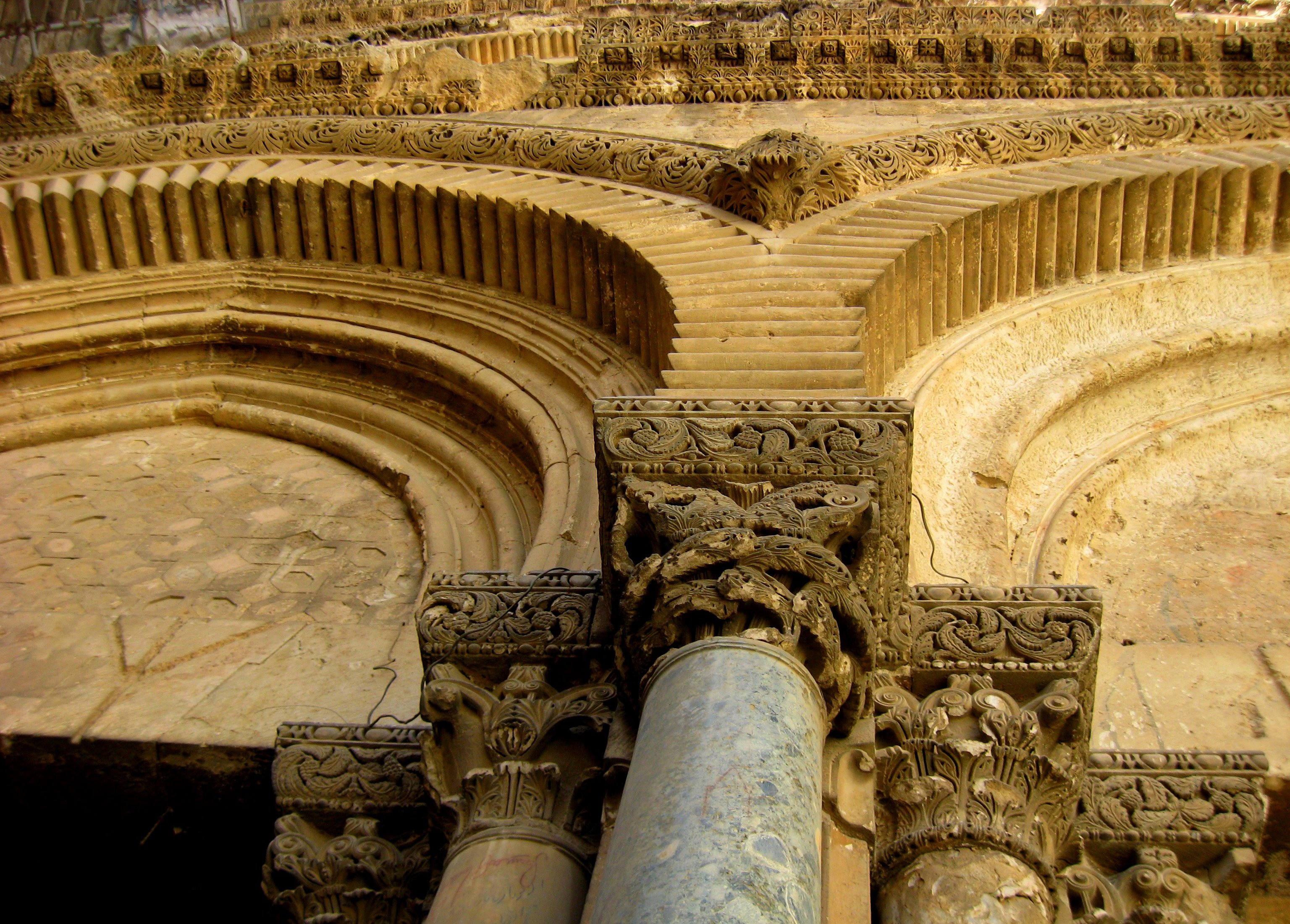
Fires, earthquakes, and centuries under oppressive rule have left their mark on the building now known as the Church of the Holy Sepulcher. It’s dingy, patchworked, and over-decorated, full of unfamiliar customs and the overpowering smell of incense. But to many pilgrims it’s a lovely ruin, a beloved disaster, this church that itself needs resurrection. Perhaps they see it with the eyes of their hearts.
Certainly that’s the only way to see Calvary as it was, an outcropping of cracked rock rejected by the builders and chosen by the executioners instead. And it’s only with the eyes of your heart that you can see the tomb of Jesus as it was. But it does help to step into a side-chapel and see these first-century grave-niches, likely part of the same cemetery in which He was buried.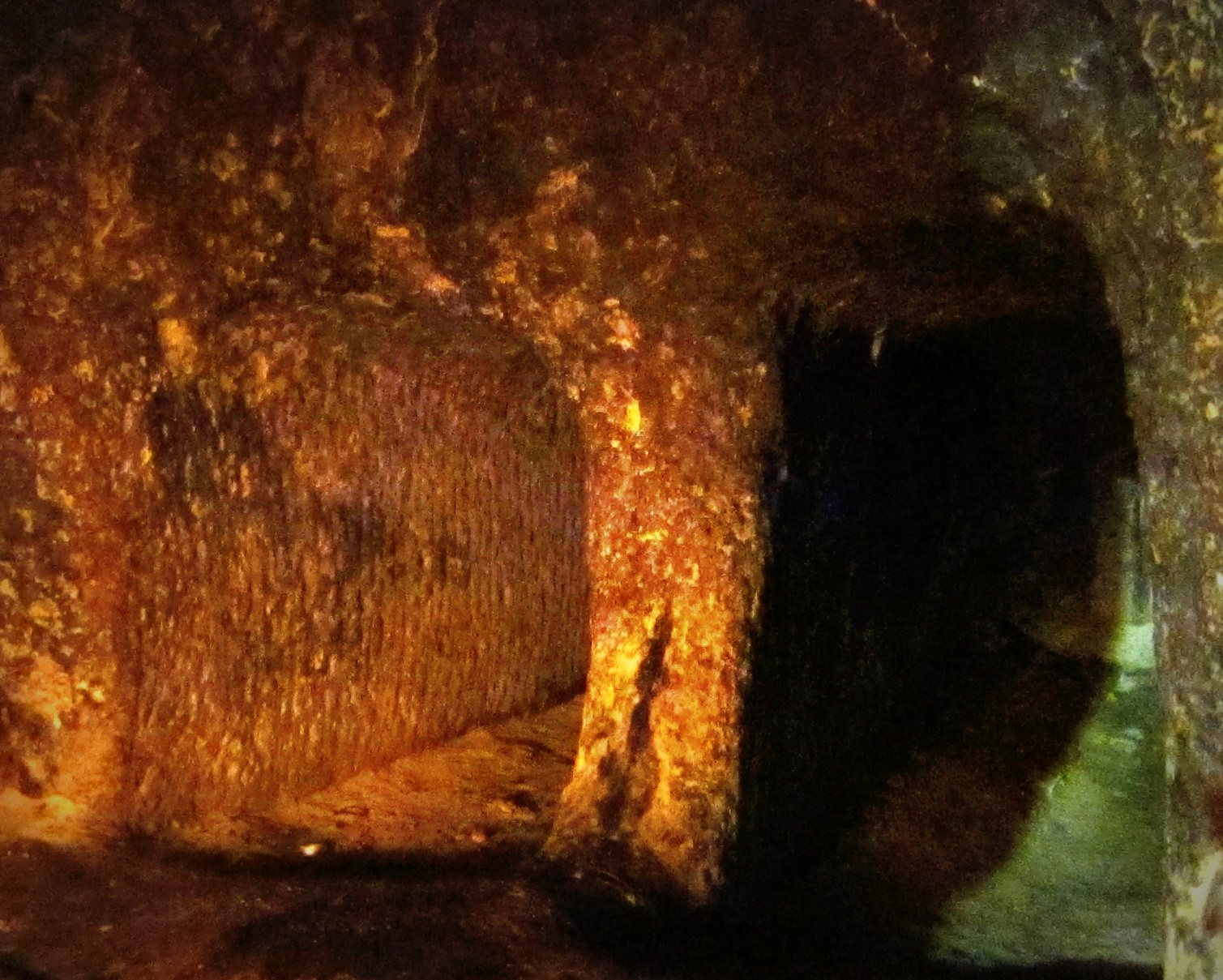 Imagine that behind you is the rolling stone covering the entrance. To your right is an arched grave shelf cut into the wall, nothing on it but linen wrappings infused with the heavy scent of spices. Can you imagine Peter and John leaning in and seeing that empty shelf? Or the women seeing brilliant angels sitting there? Or Mary crying near the door, just before she meets the risen Jesus?
Even when our imaginations fail, and our minds and hearts seem too small to take it all in, the bottom line remains the same:
Wherever. However. Whenever. (He chooses)…
 We will meet Him too.

 Elisabeth Adams