Have you ever noticed how often Jesus described the natural world? For instance, He told us to pay attention to the lilies of the field:
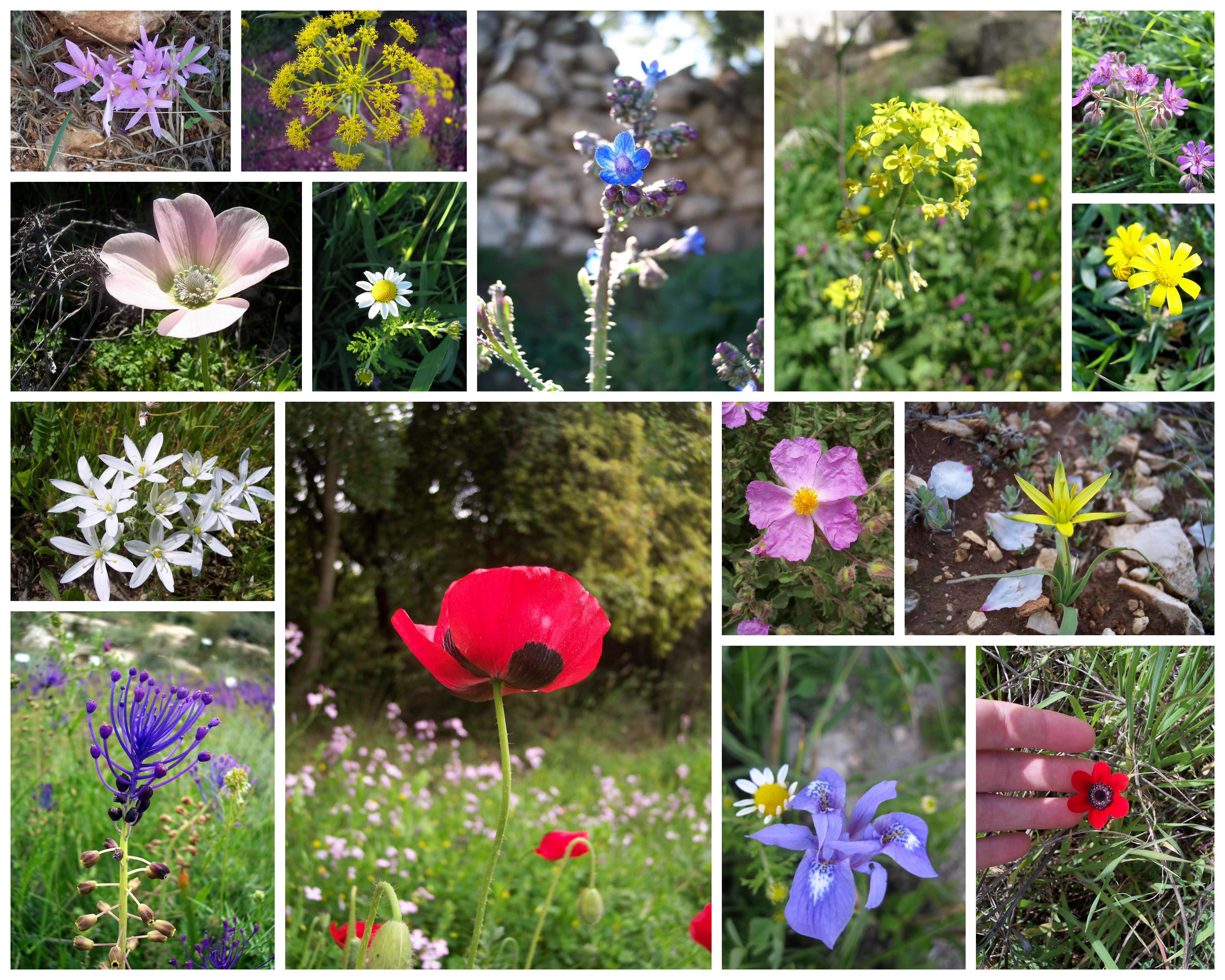
In the past few years, I’ve learned that paying attention to Israel’s plants and animals means getting to know some of the characters of the Bible, face to face. But last week, as I was creating a photo album for a friend, I began to see even more: The loveliness of Jesus’ character, and the reality of His sacrifice was unfolding in these ordinary living things.
I am the true vine, and my Father is the vinedresser.
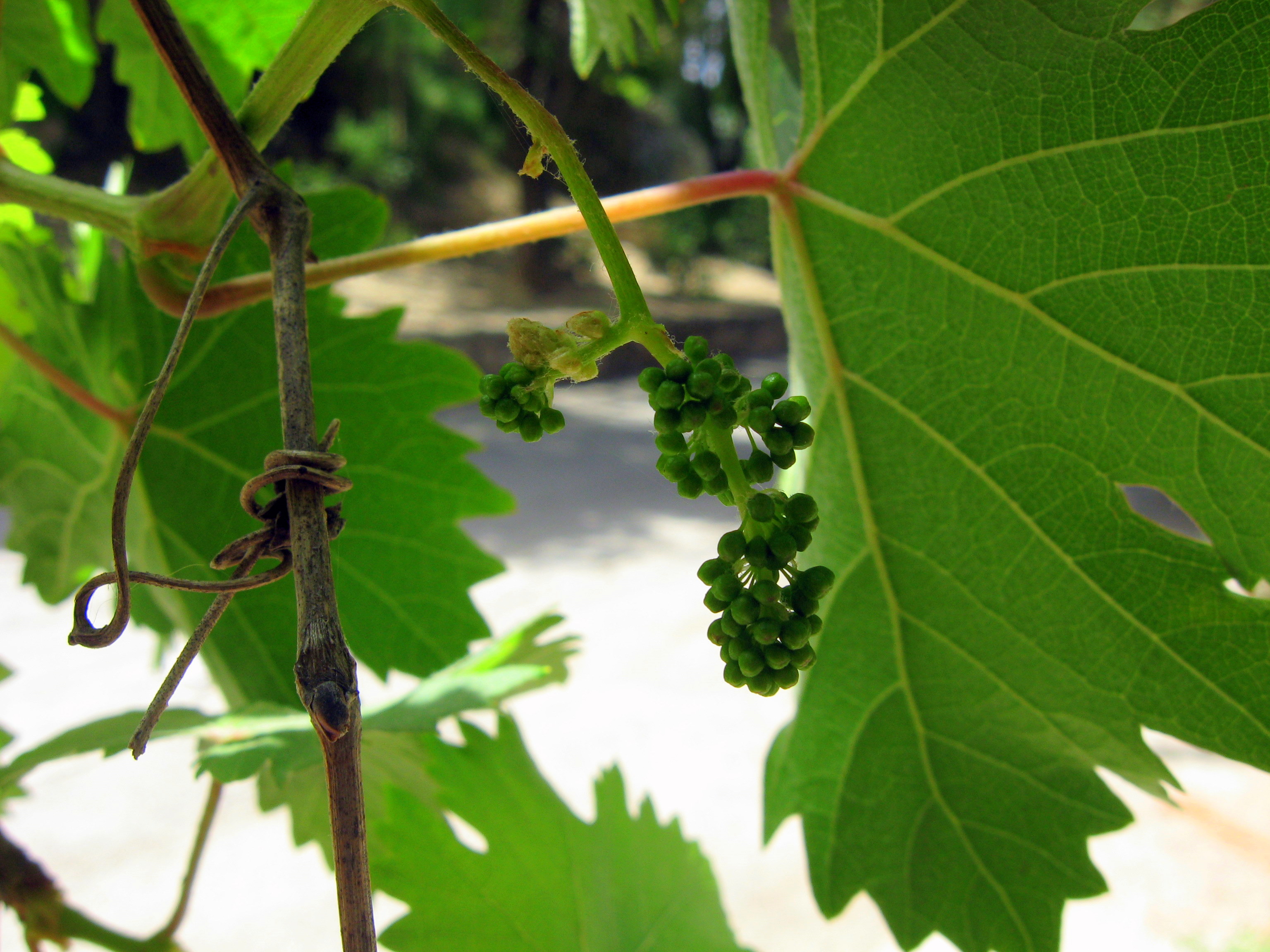 Isaiah and Jesus told similar parables with the same point. Like the man who created a wall, winepress, and watchtower, who diligently cultivated, weeded, and pruned his vines — and who sent his son into the vineyard to help — God performs all the steps necessary for us to bear much fruit. (Is. 5, Mt. 21, Jn. 15)
They took branches of palm trees and went out to meet him, crying out, “Hosanna!”
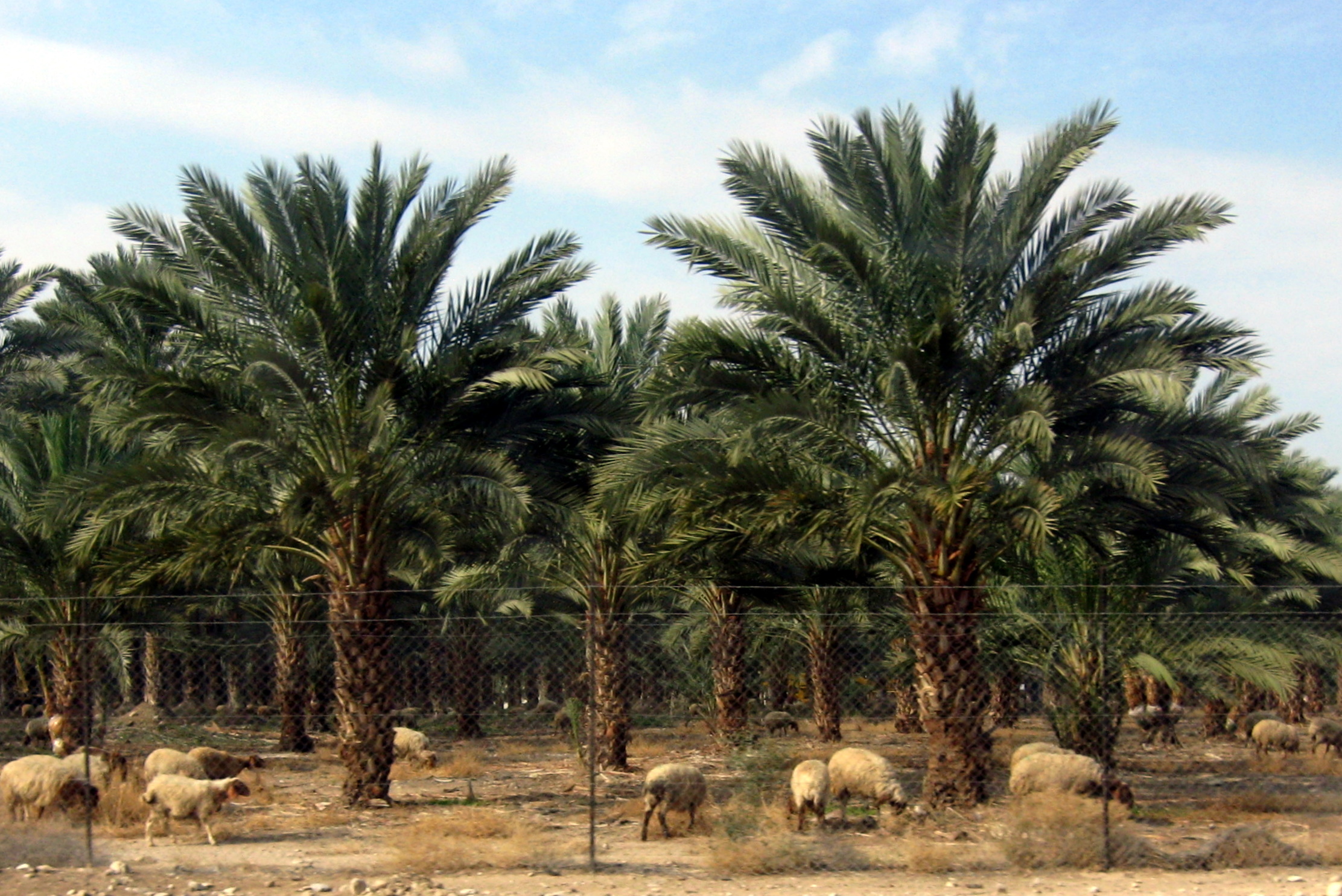 At the time of Jesus, date groves by the Dead Sea produced huge clusters of toffee-like fruit. The palm’s branches were waved in celebration at the annual feast of harvest…and they were also used to welcome Him into Jerusalem. (Lev. 23:40)
Behold, your king is coming to you…humble and mounted on a donkey.
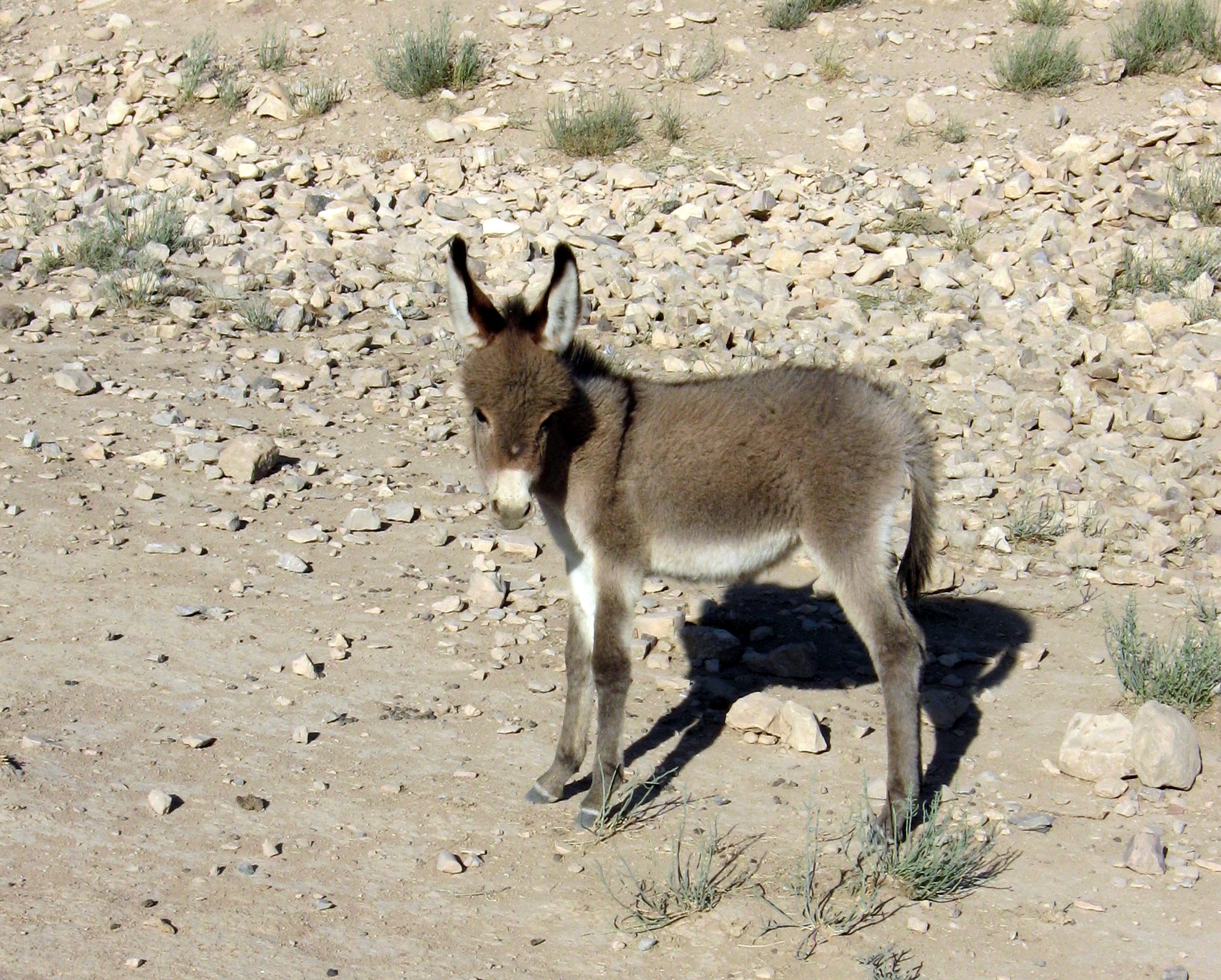 Donkeys were widely used for transportation, while horses usually belonged to royalty for the purpose of war. By choosing to ride a donkey into Jerusalem, Jesus signaled the fact that He was entering humbly, not as a military conqueror. (Zec. 9:9)
Being in an agony he prayed more earnestly; and his sweat became like great drops of blood…
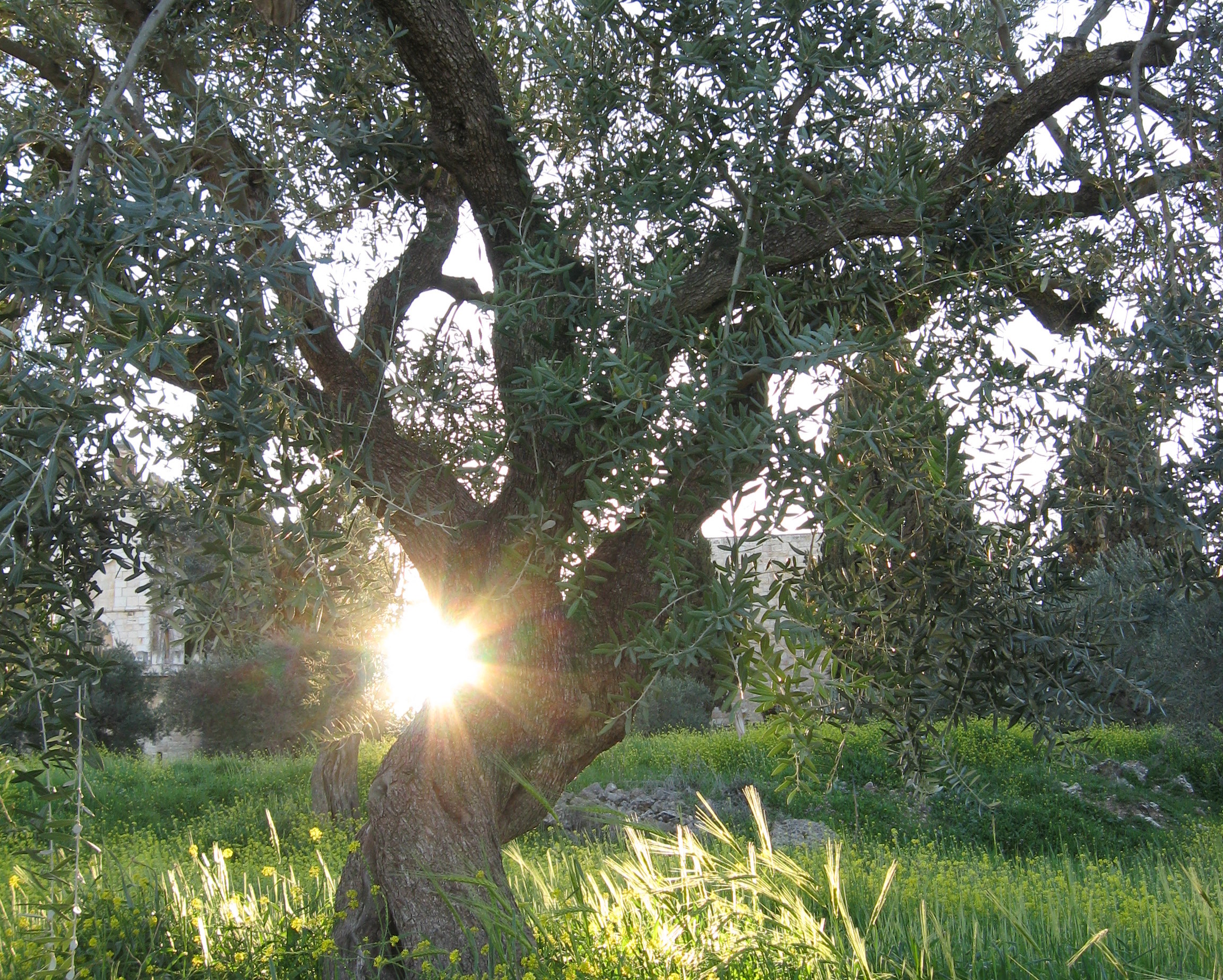
Olive oil, a symbol of the Holy Spirit, was used to induct prophets, priests, and kings. But to produce oil, olives must be crushed — much as Jesus was at Gethsemane, which means “oil press.” (Mt. 14:32)
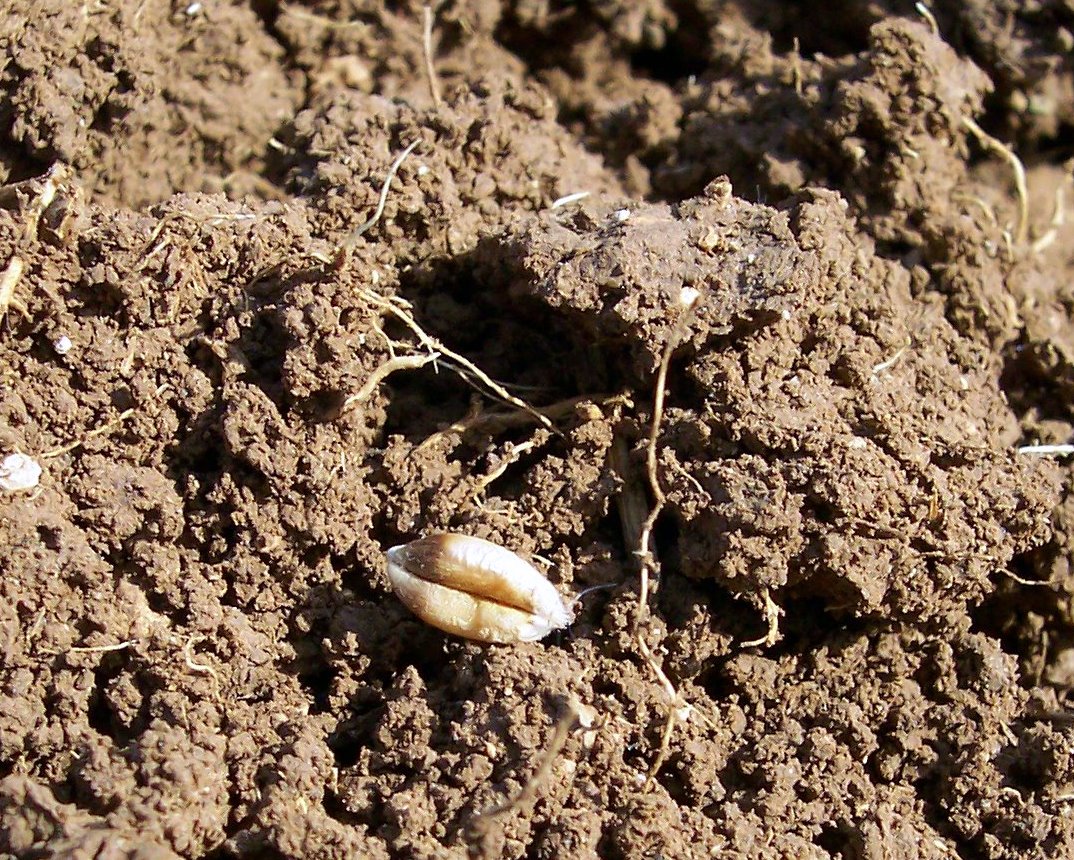
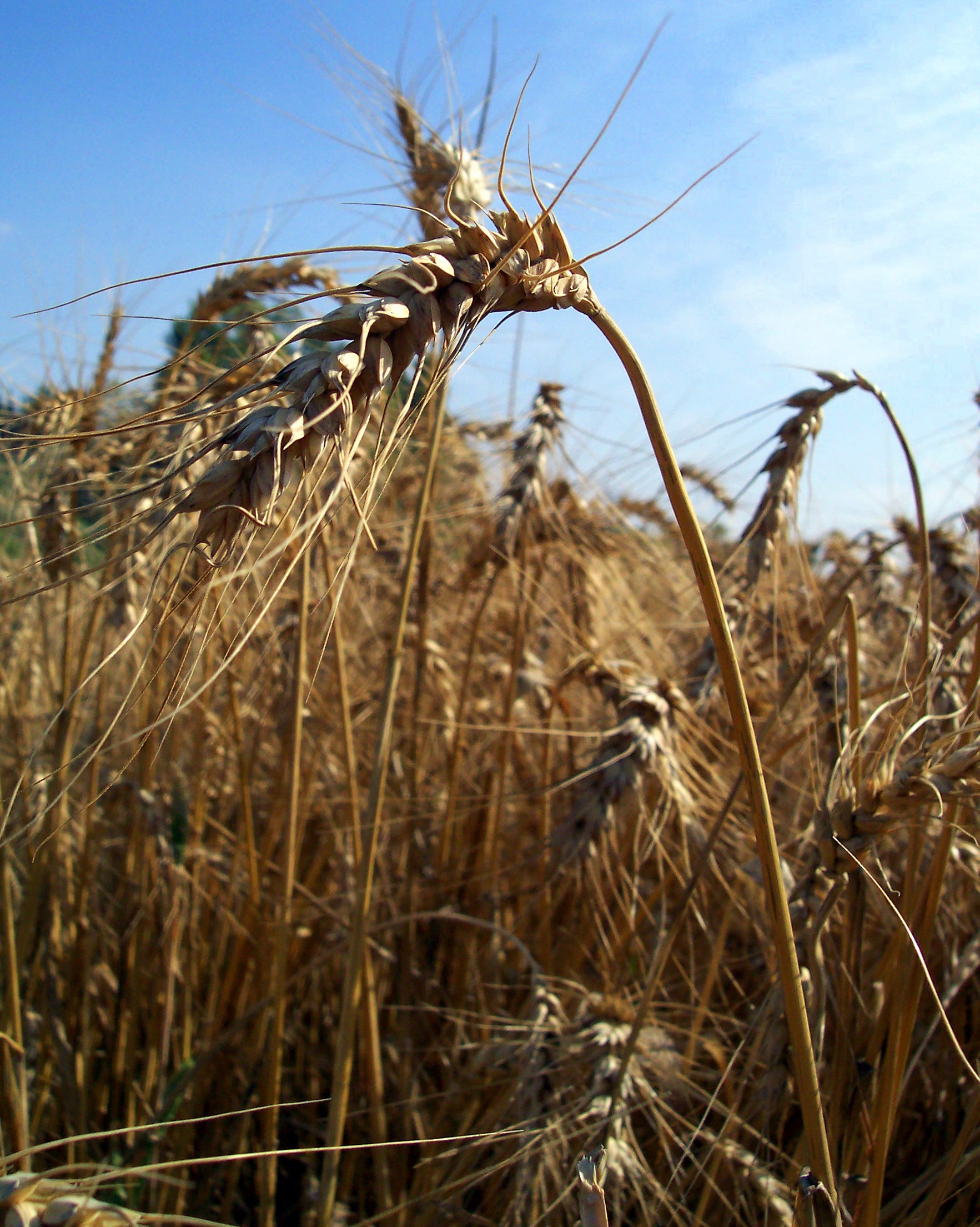
Unless a grain of wheat falls into the earth and dies, it remains alone…
…but if it dies, it bears much fruit.
 Elisabeth Adams